Free range and pastured egg directory
The egg carton may be decorated with verdant pastures, stamped with the term "free range", but are you getting what you think you are? Who can tell?
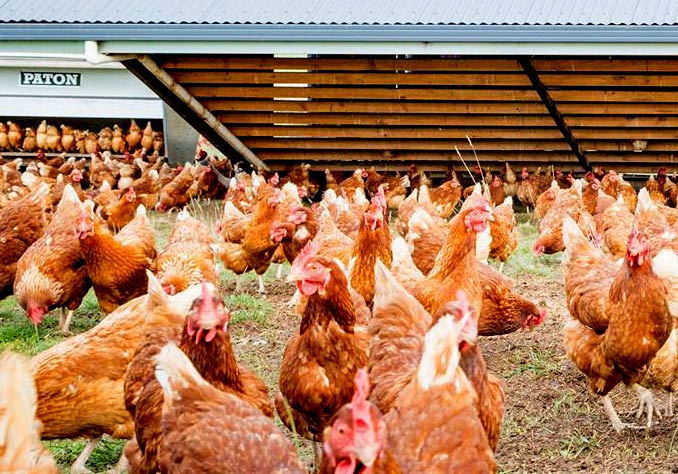
Despite the CSIRO free range Model Code capping stocking density at 1,500 hens per hectare, some farms crammed in more than 20,000. And some eggs came from flocks of up to 120,000! Is it any wonder when over half of the free range eggs sold in Australia come from only three producers? They're Novo, Pace Farm and Manning Valley—and are responsible for the brands you see in the major supermarkets.
Coles and Woolworths set their free range standards with a stocking density of 10,000 hens per hectare. That's nearly seven times the Model Code limit! But in 2017, the government rubber stamped this outdoor stocking density.
If you don't think that's really free range, then look for eggs with organic or animal welfare certification.
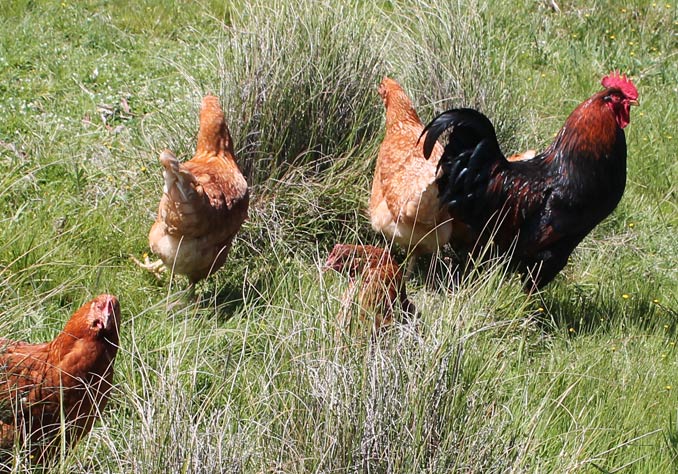
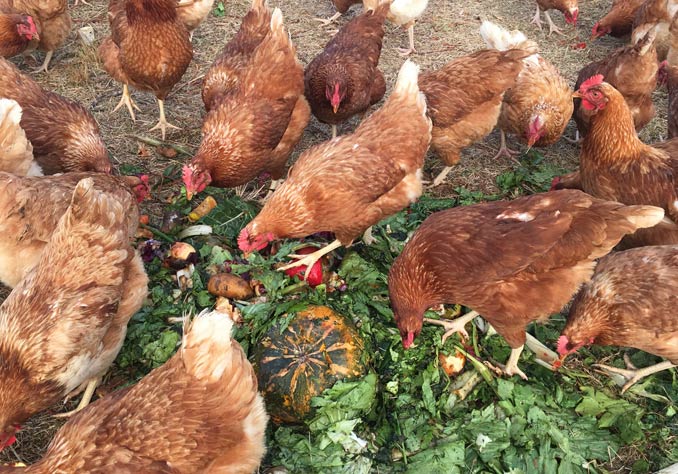
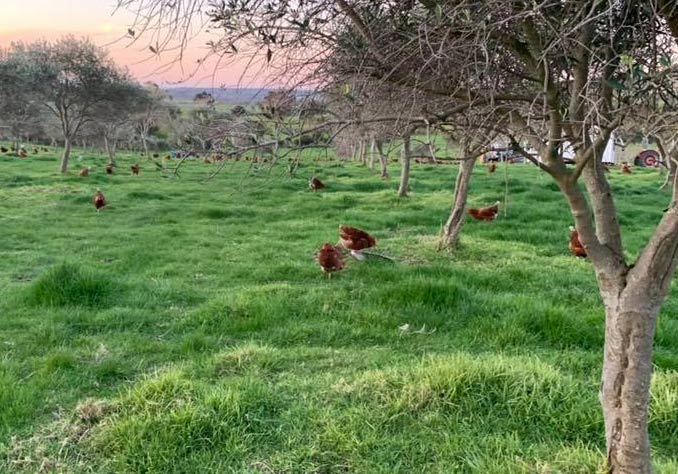
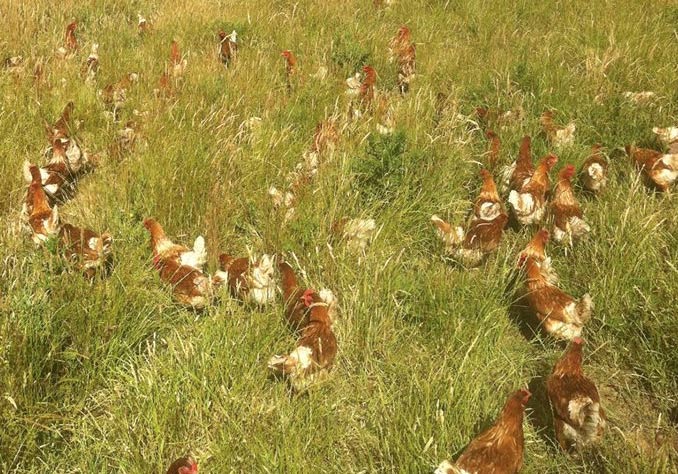
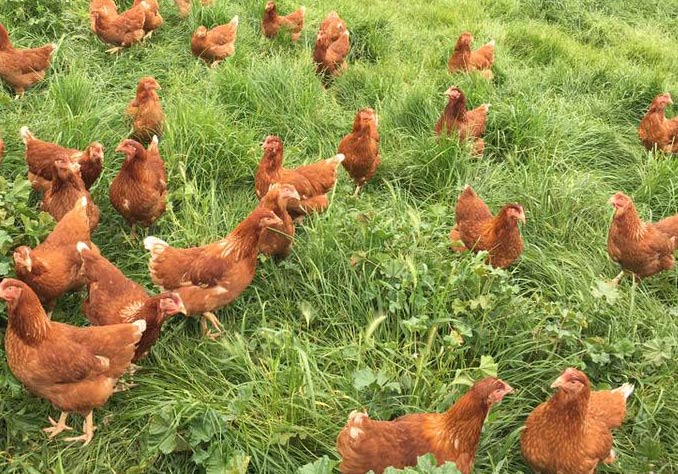
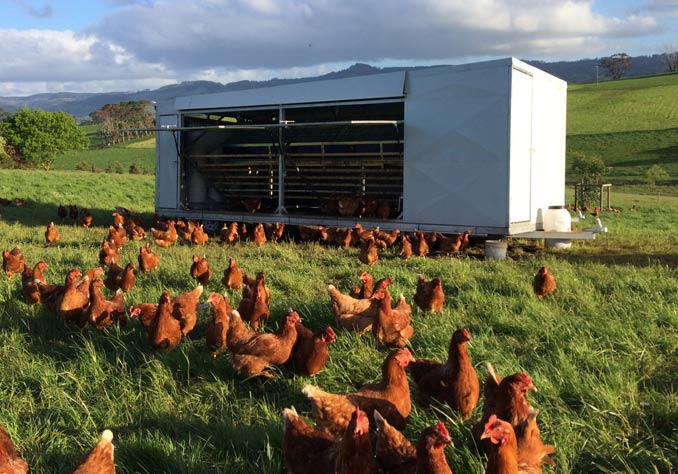
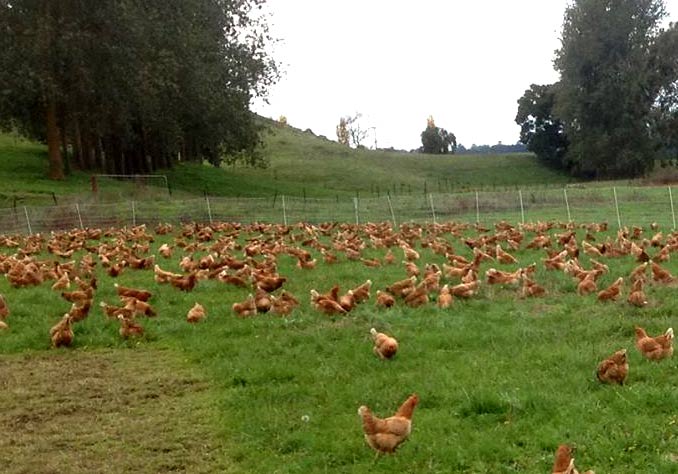
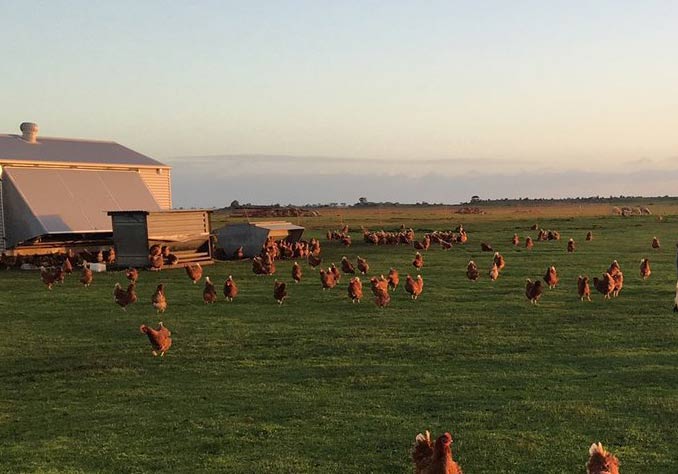
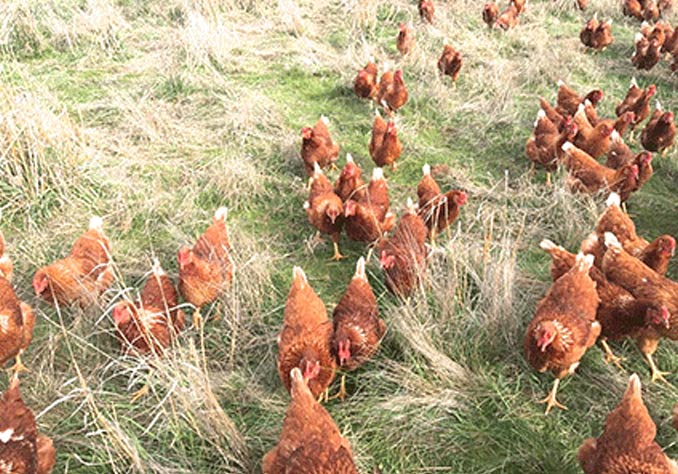
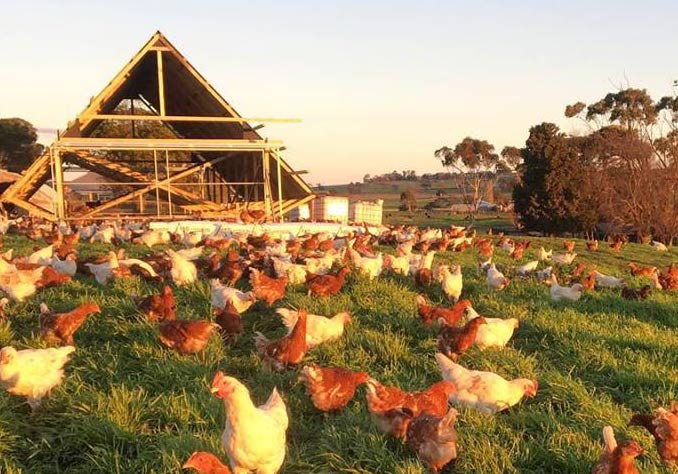
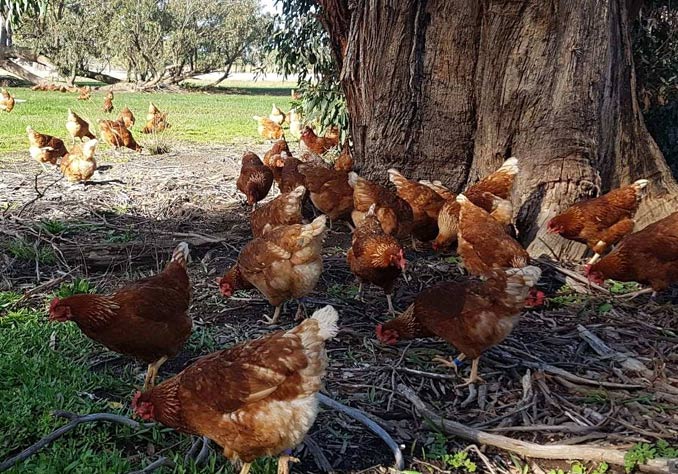
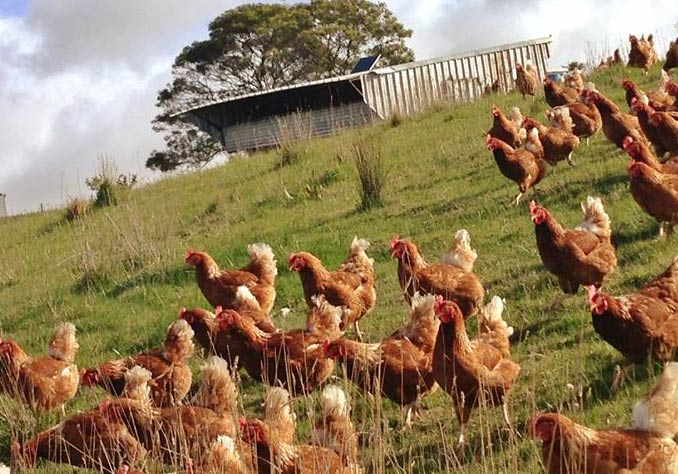
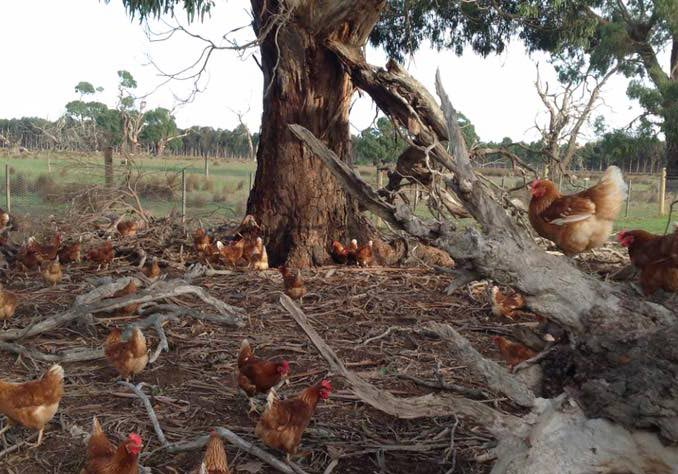
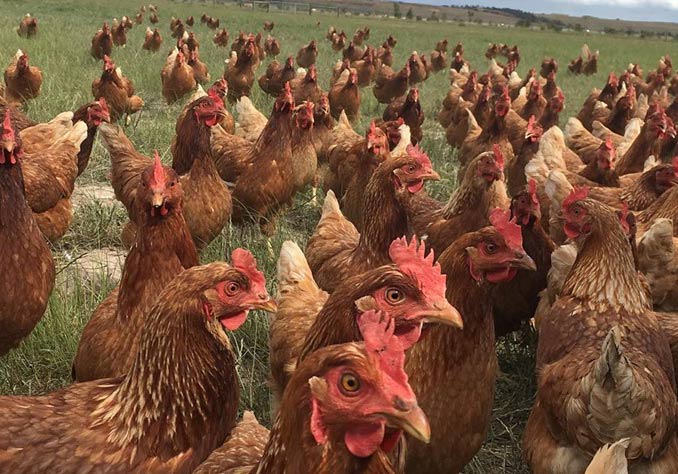
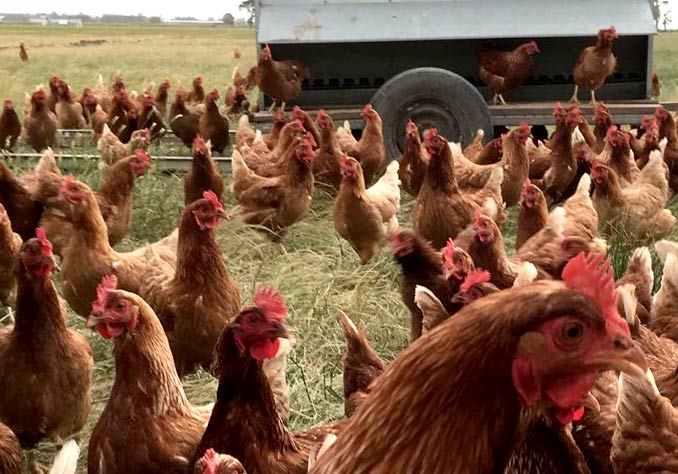
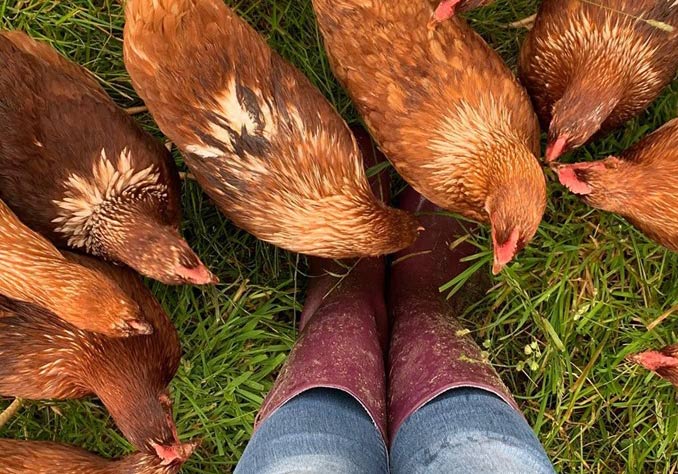
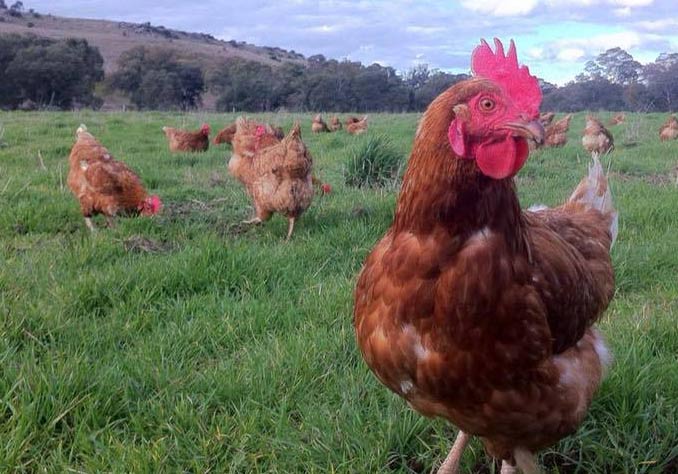
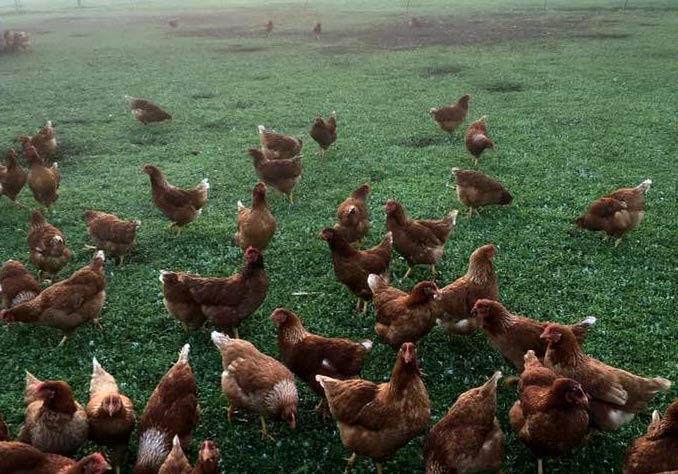
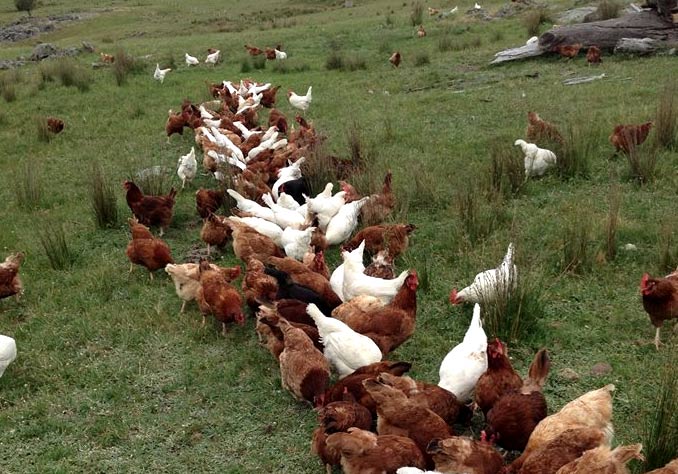
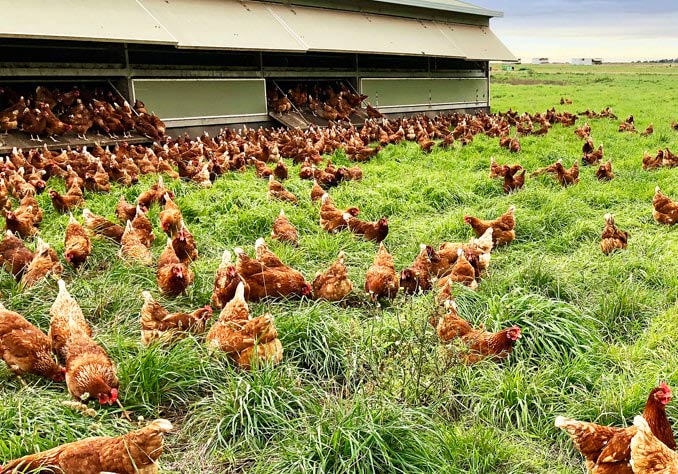
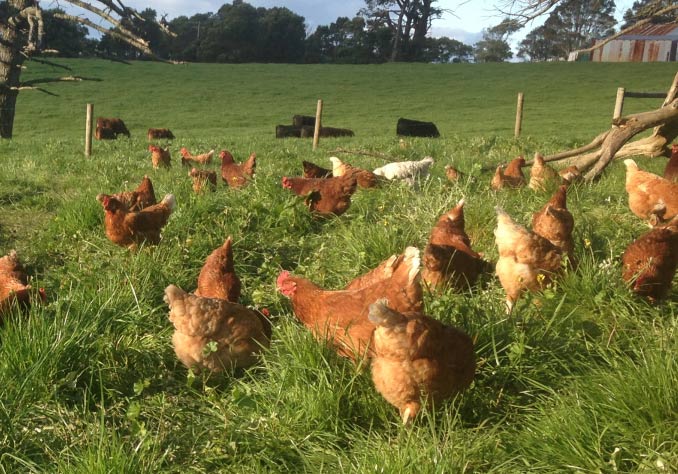
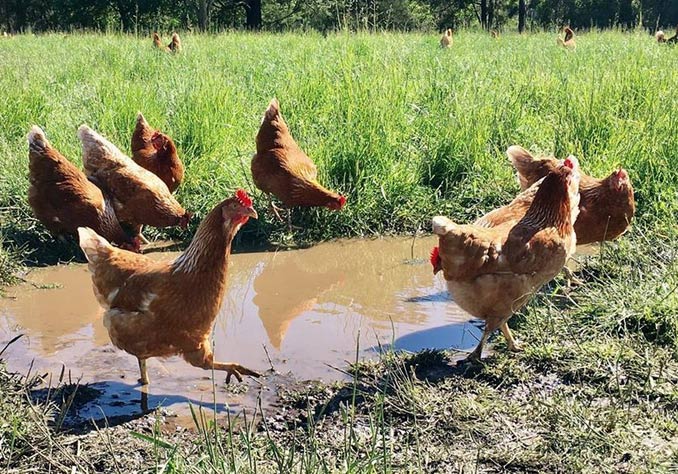
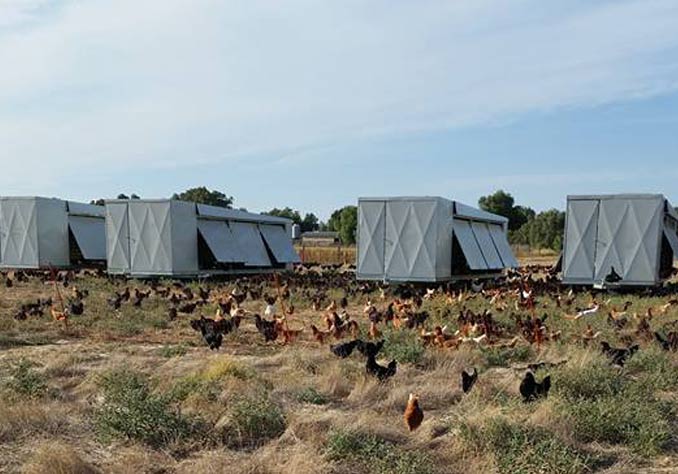
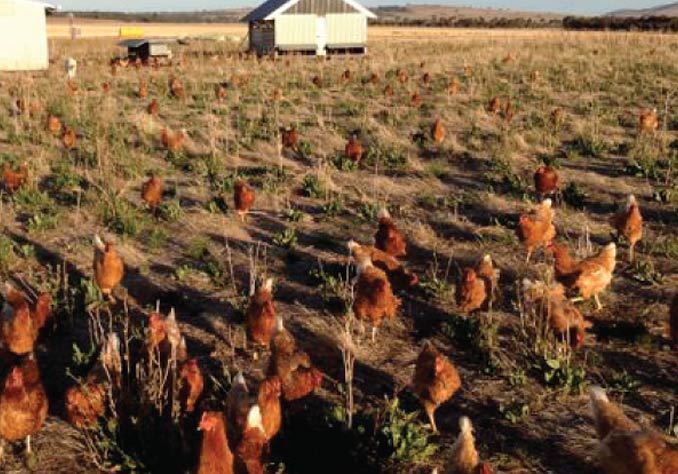
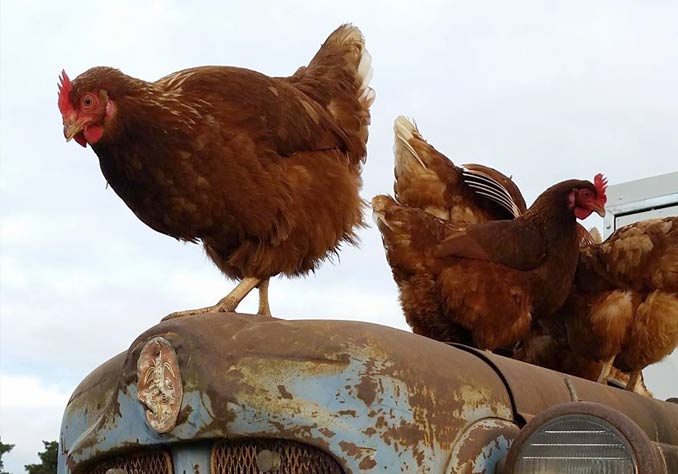
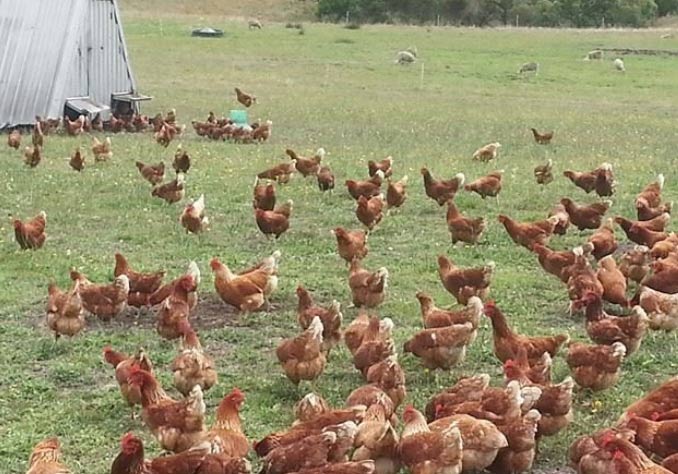
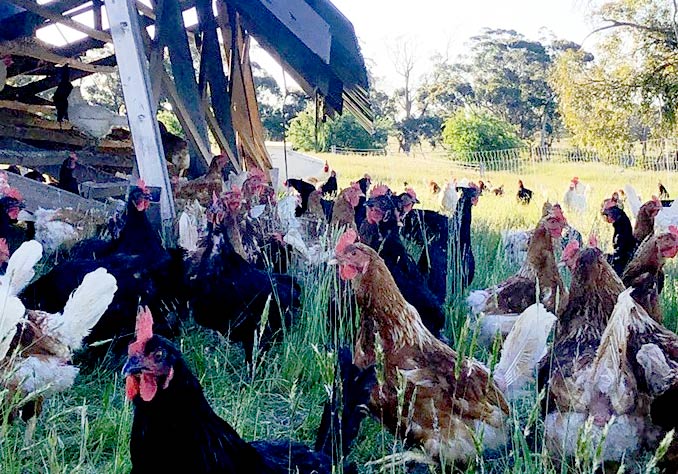
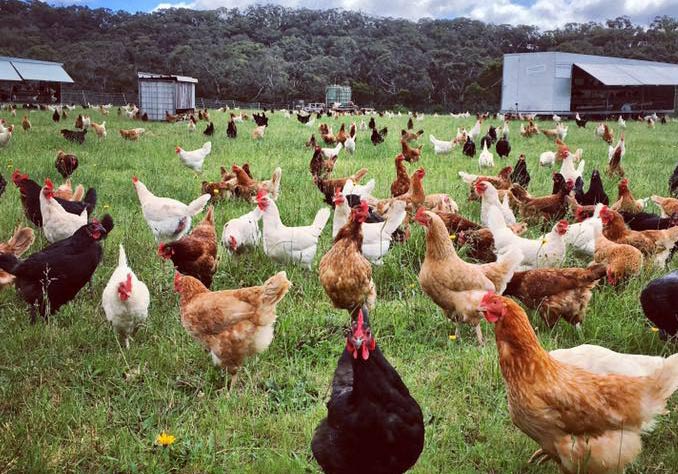
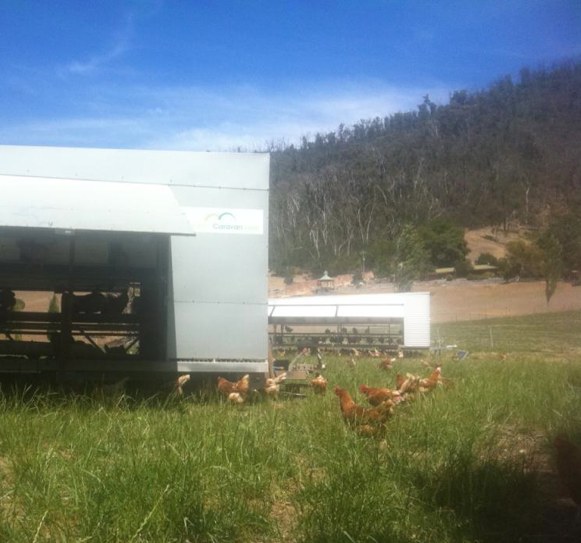
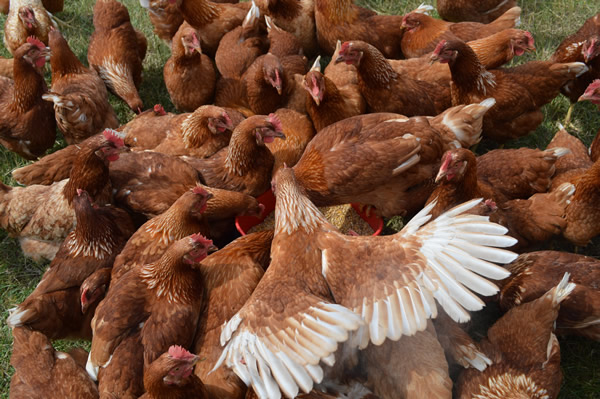
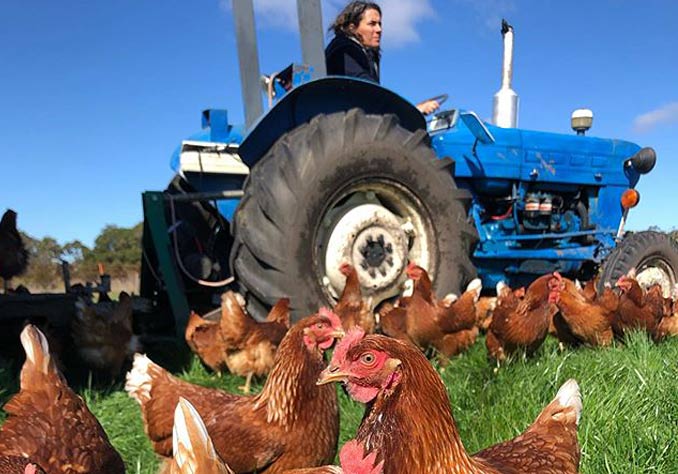
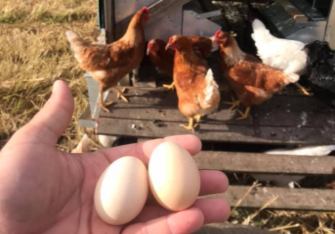
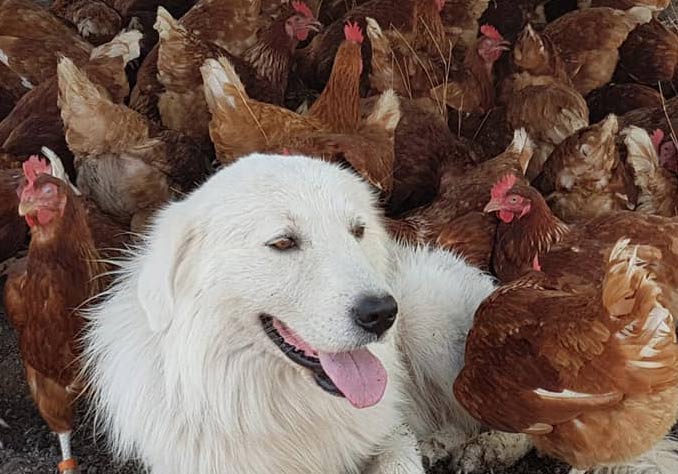
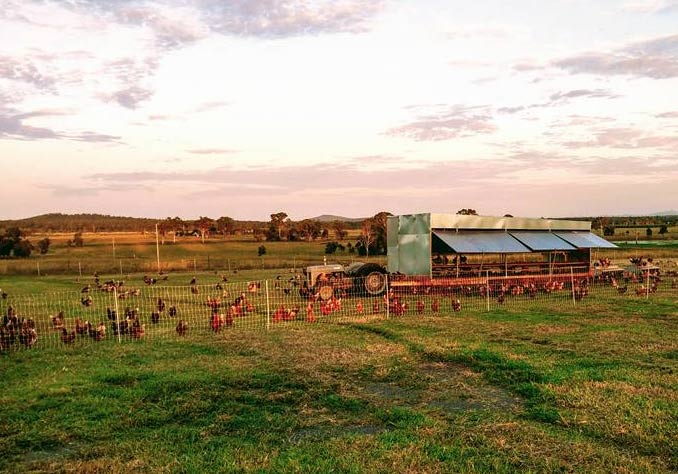
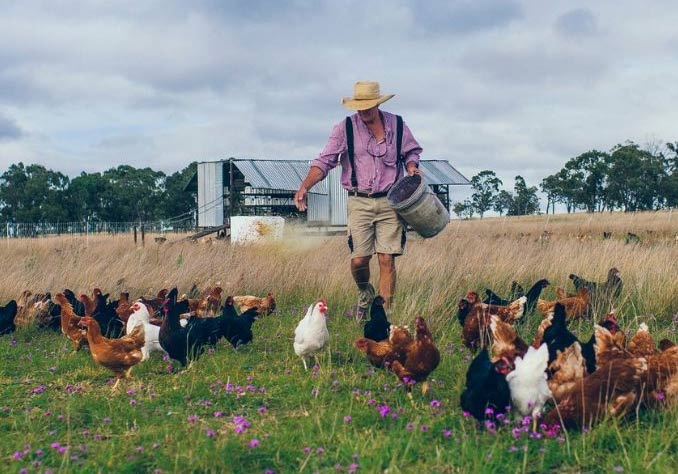
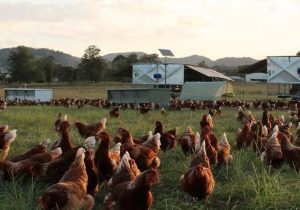
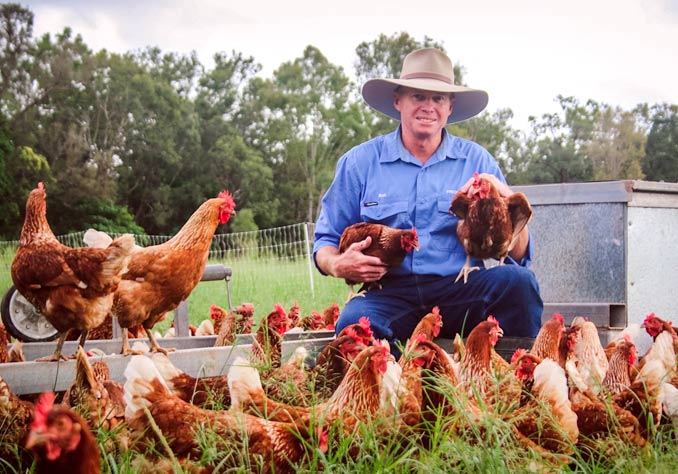
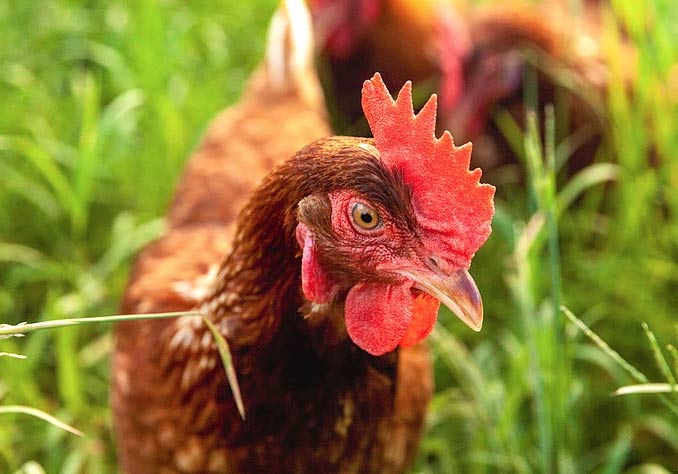
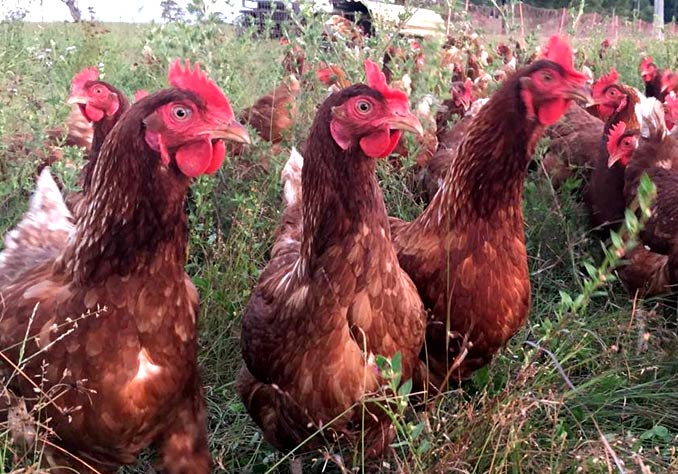
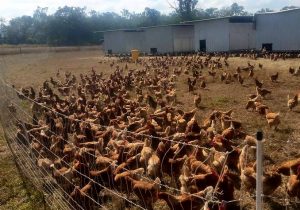
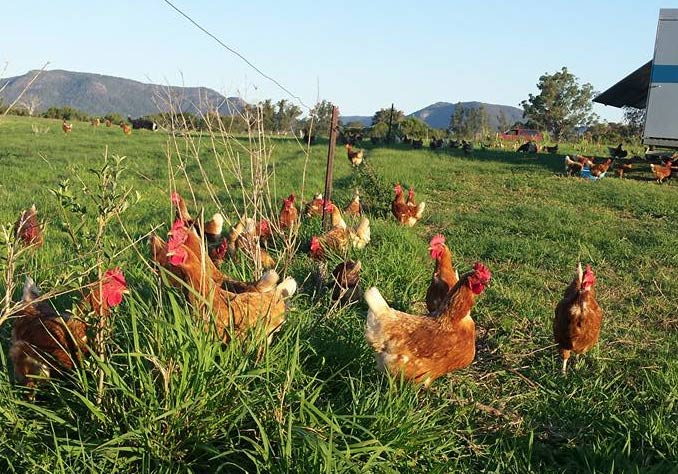
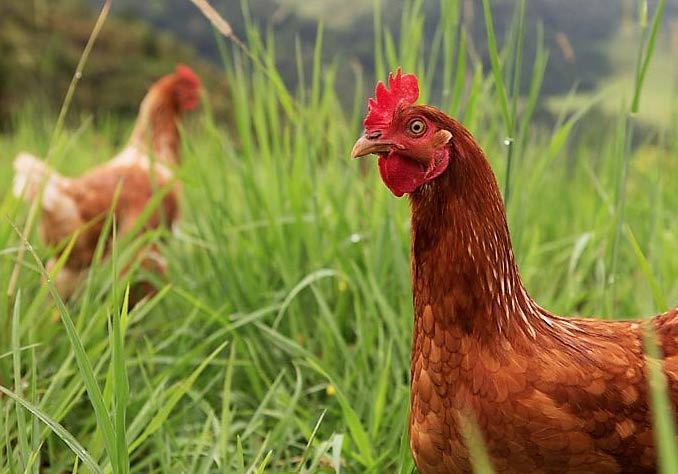
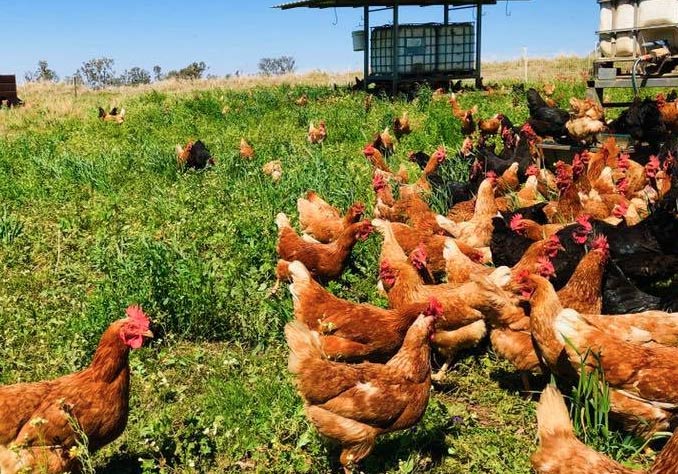
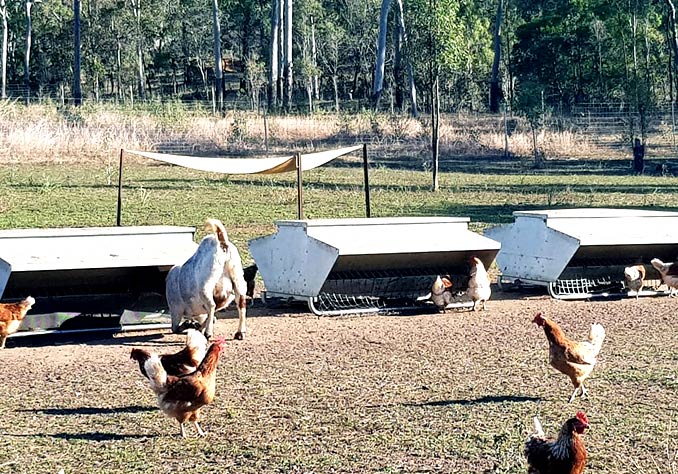
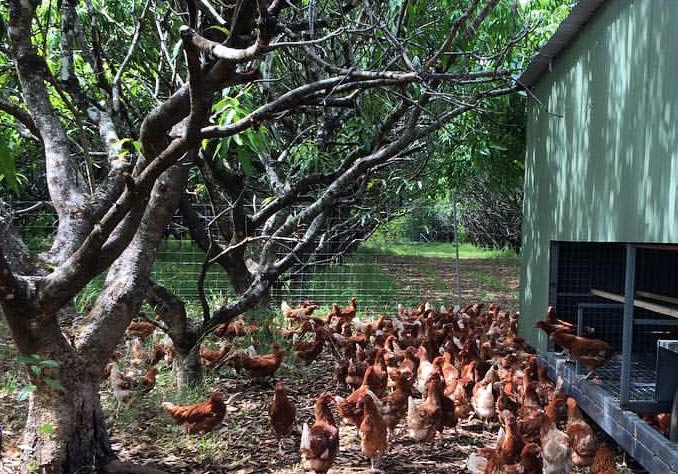
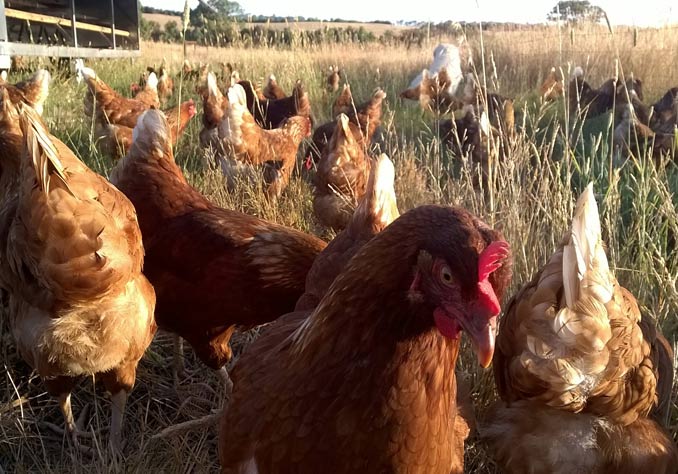
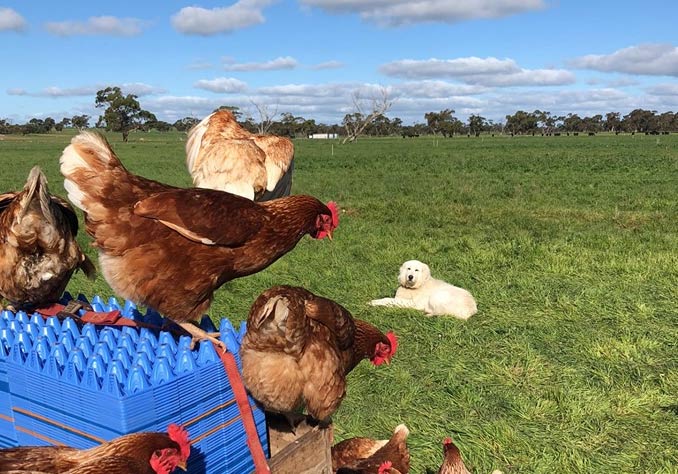
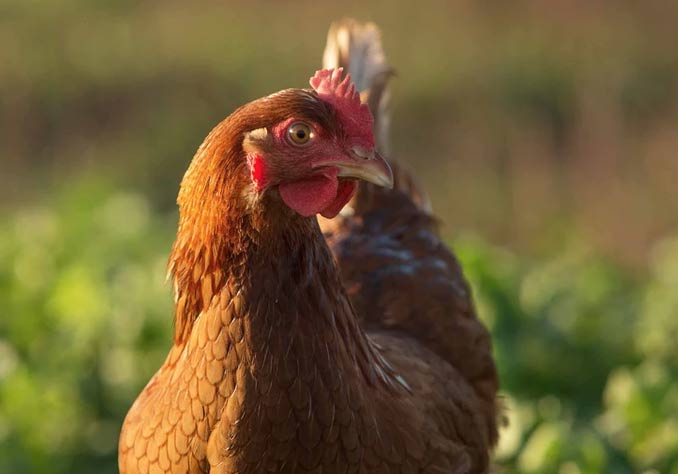
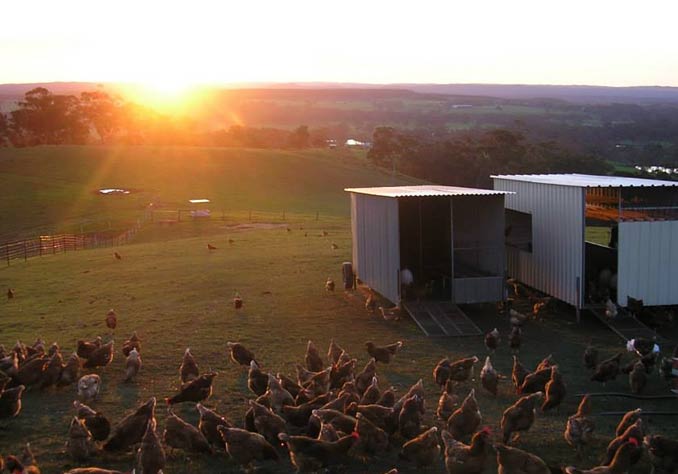
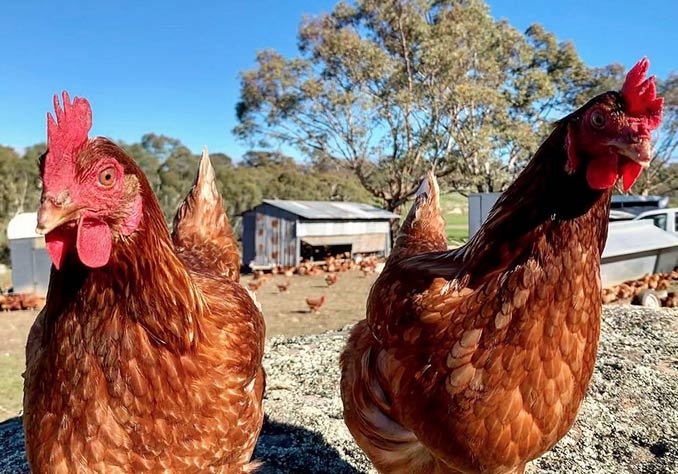
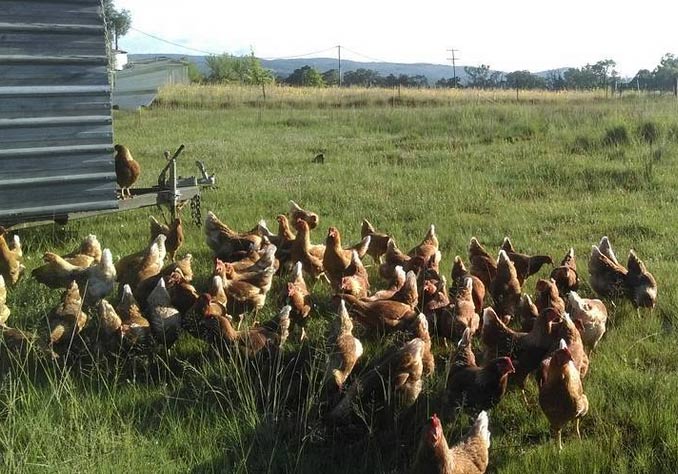
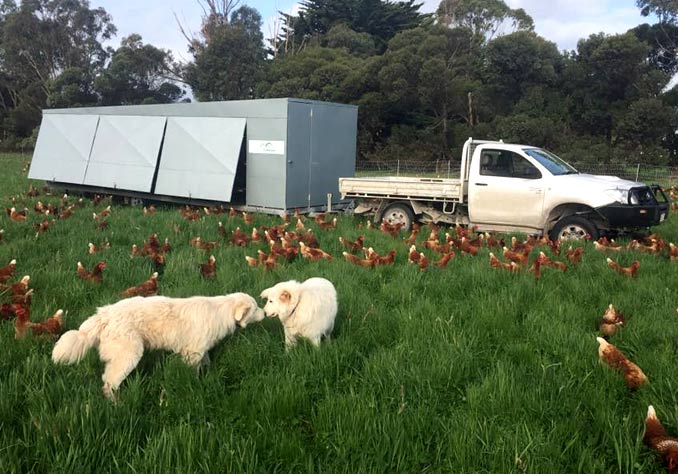
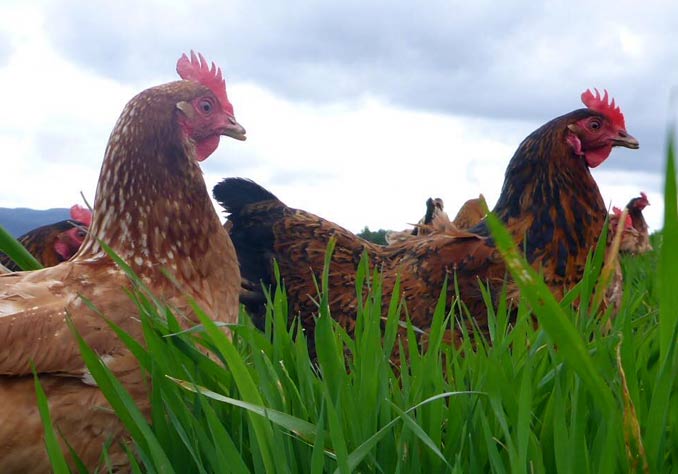
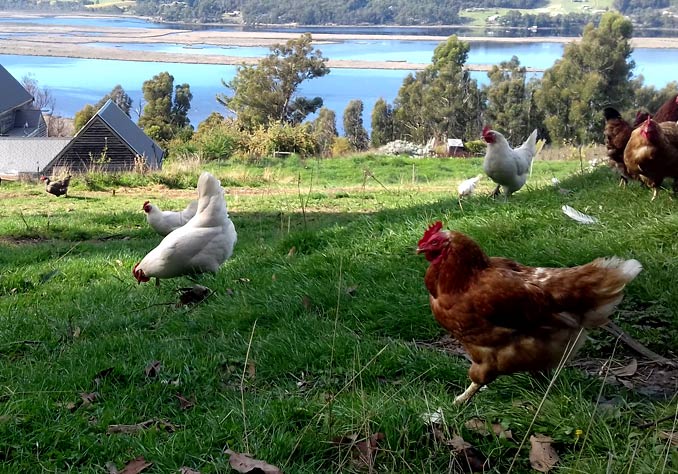
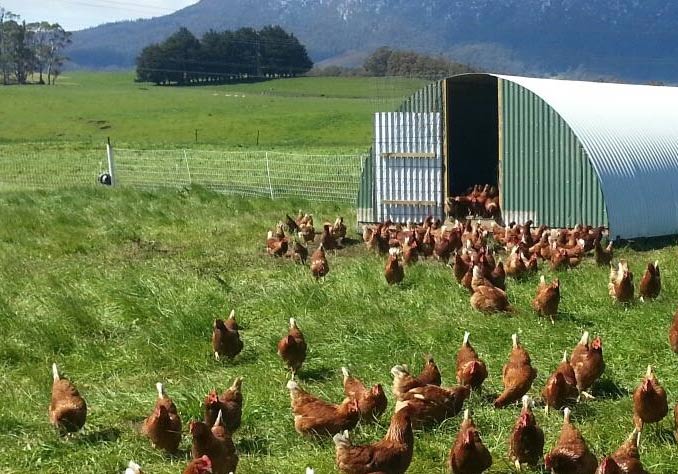
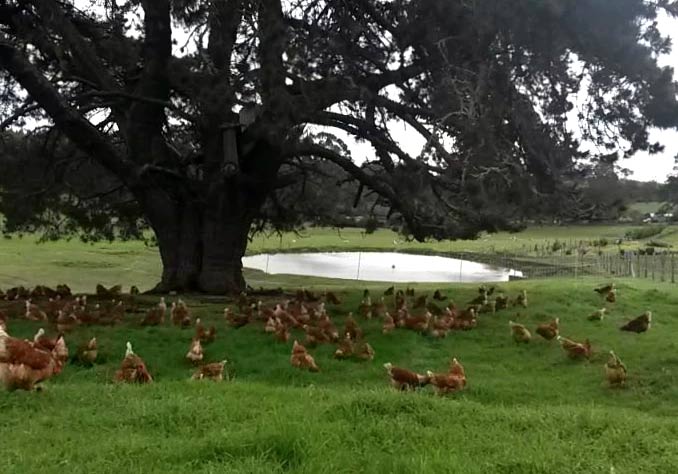
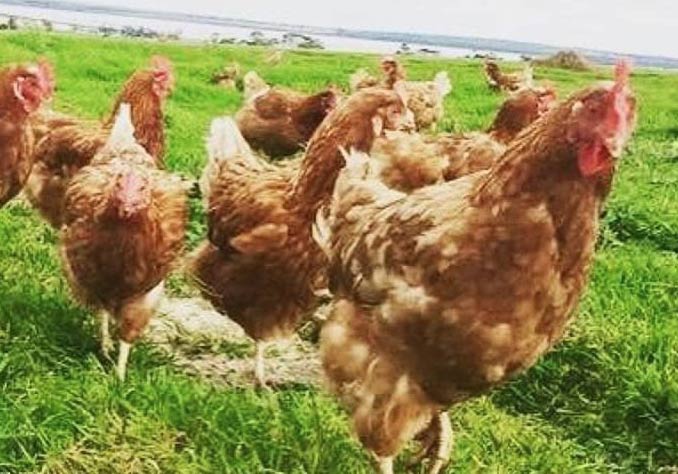
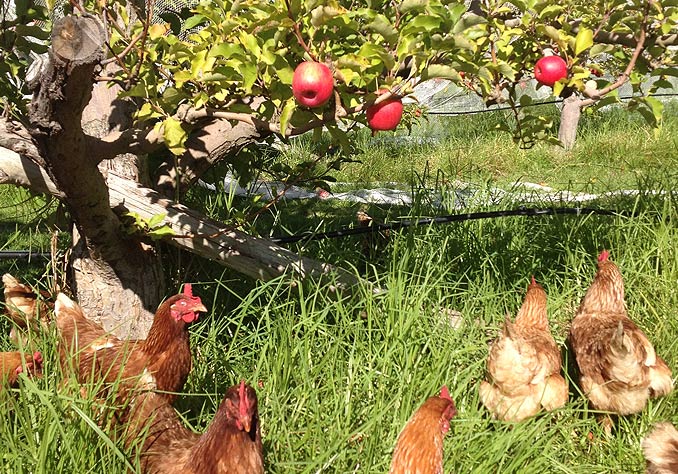
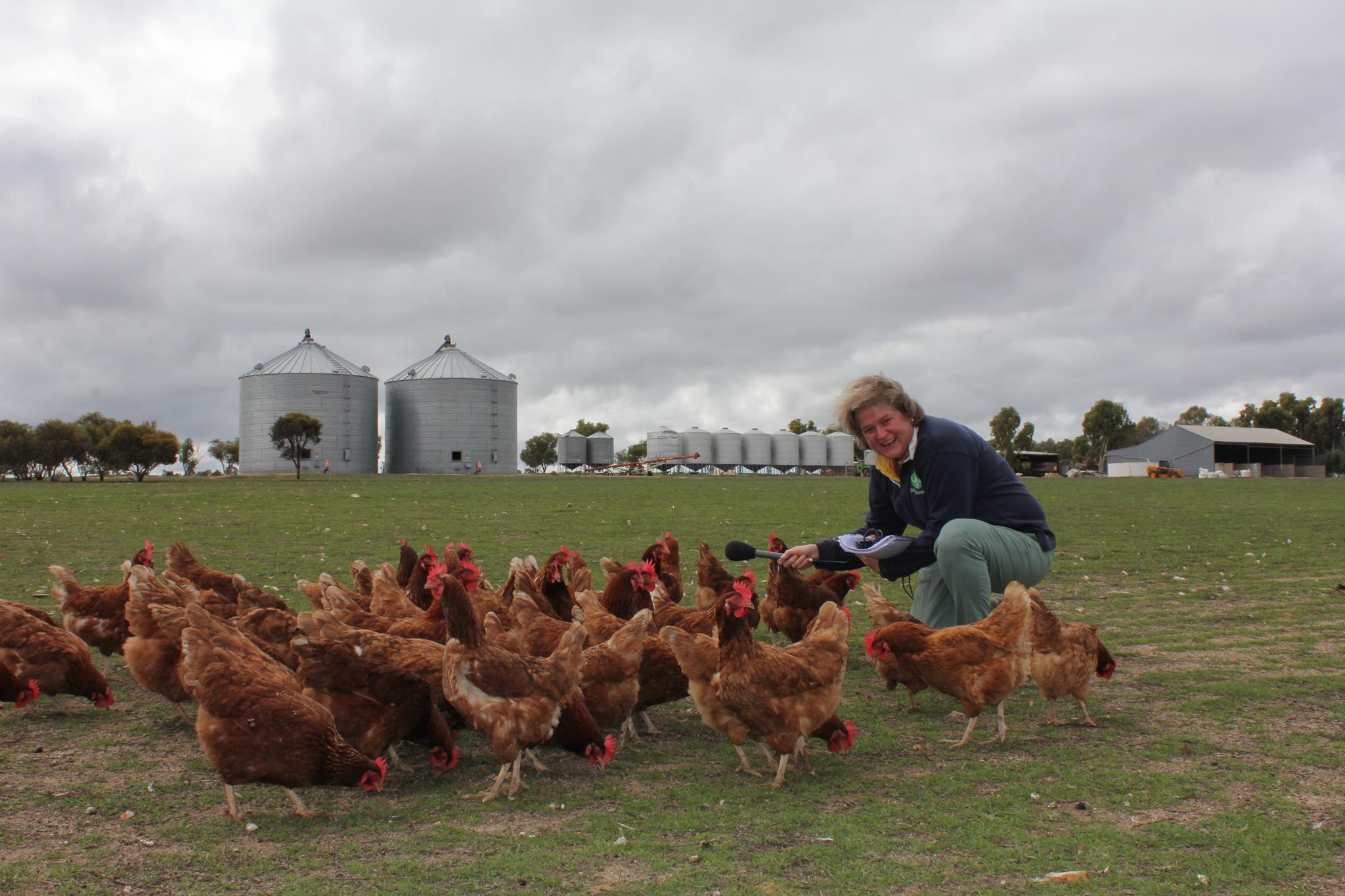
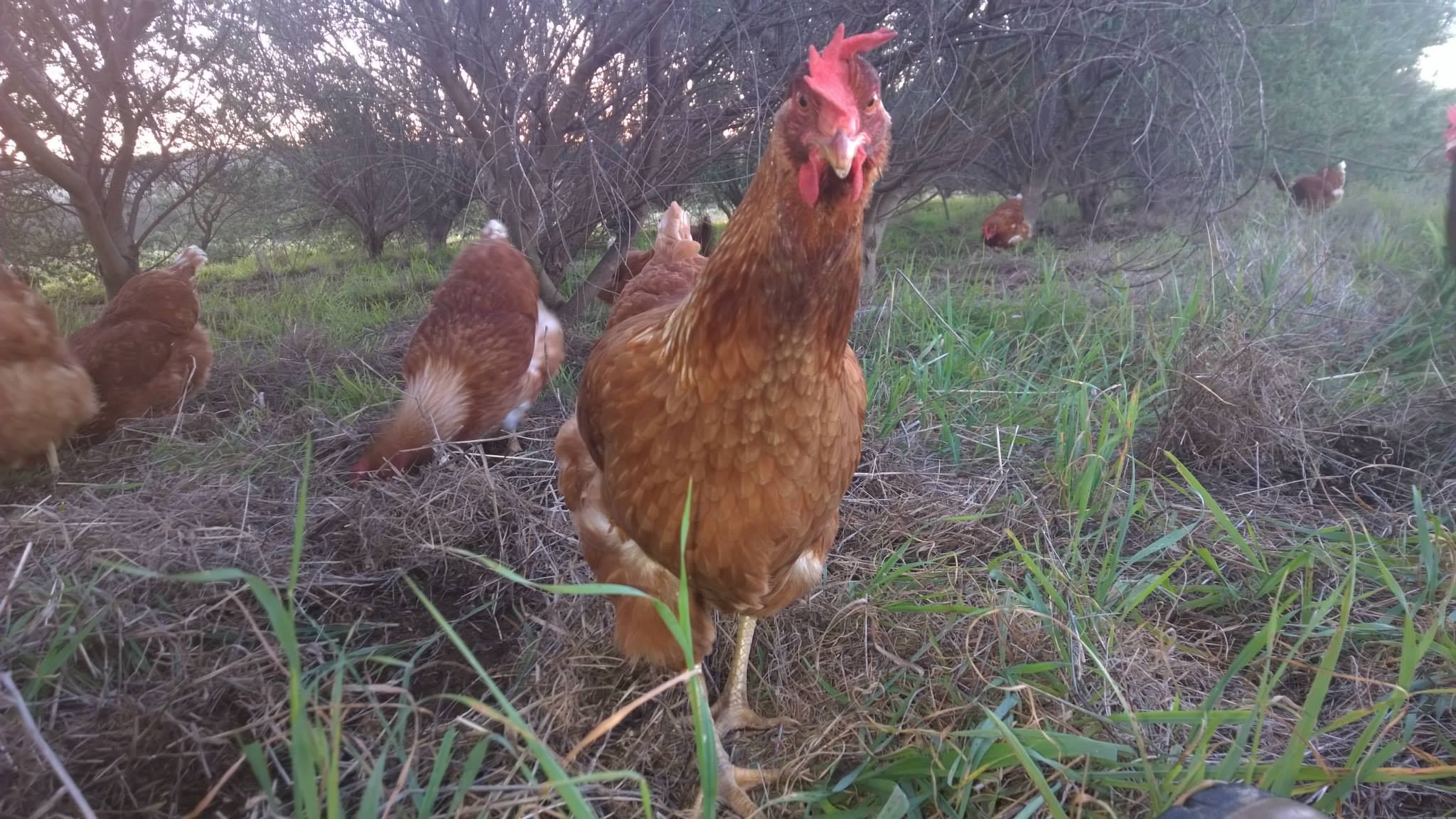
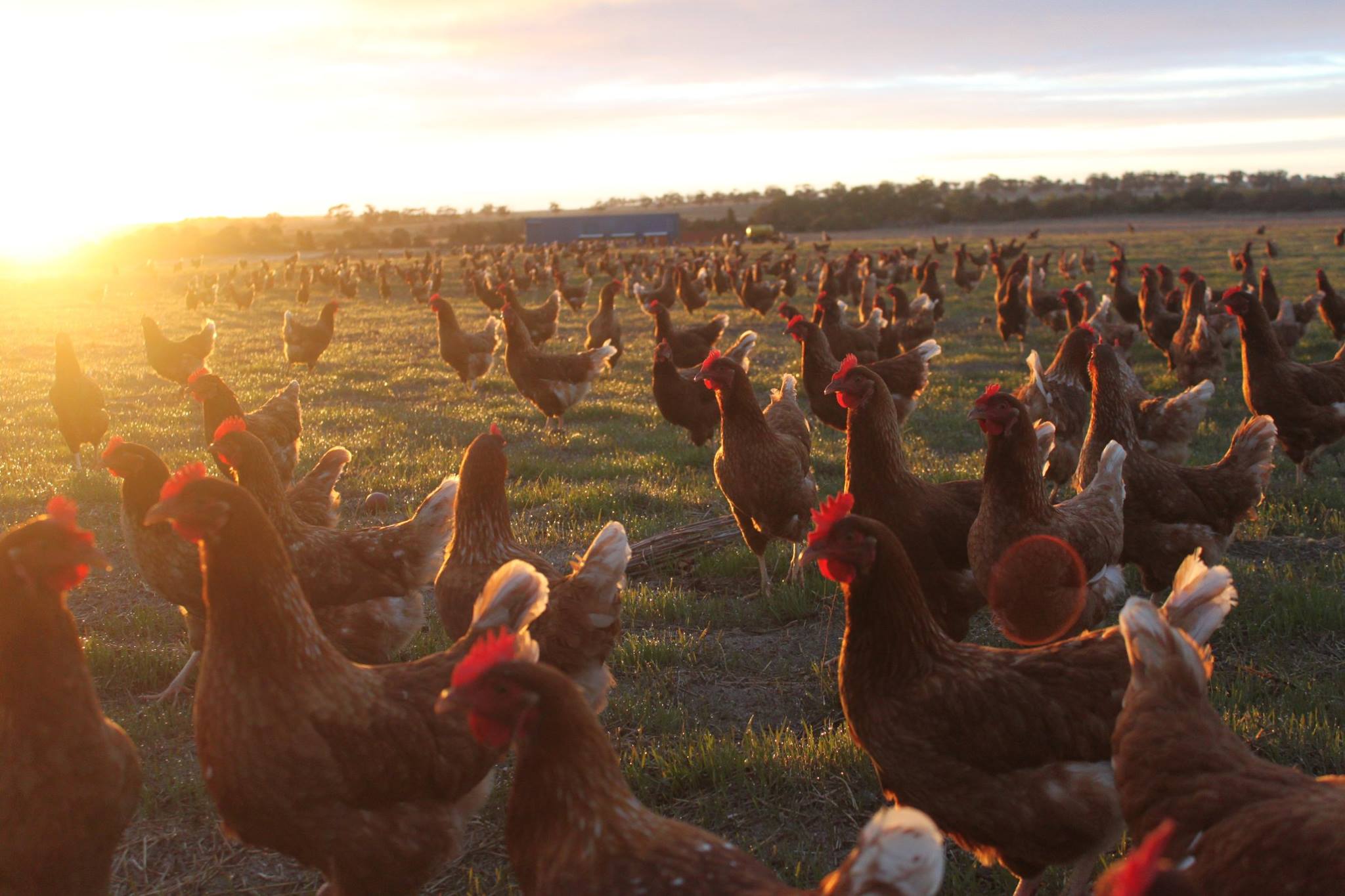
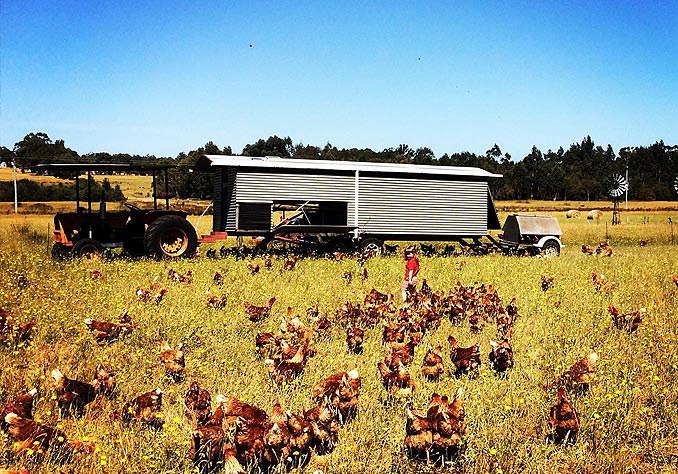
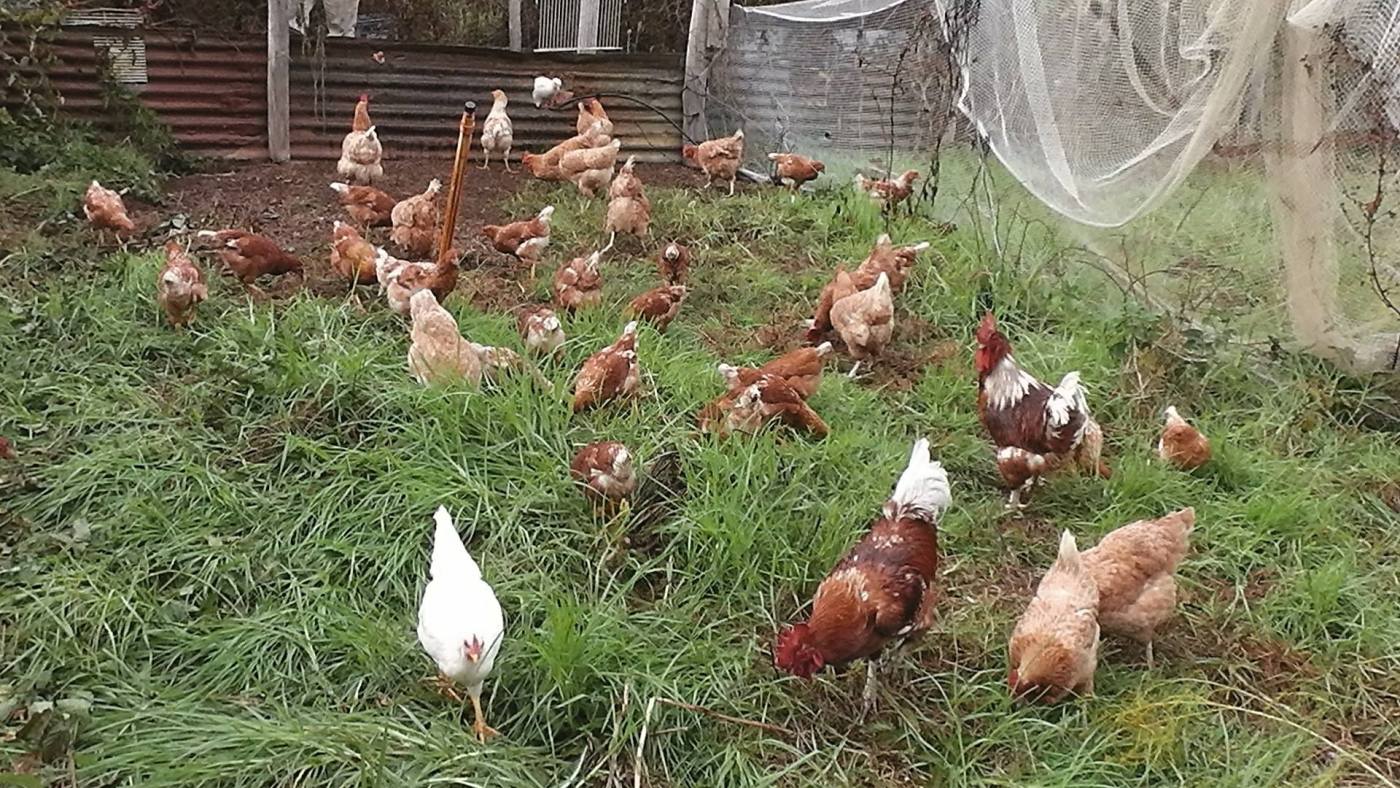
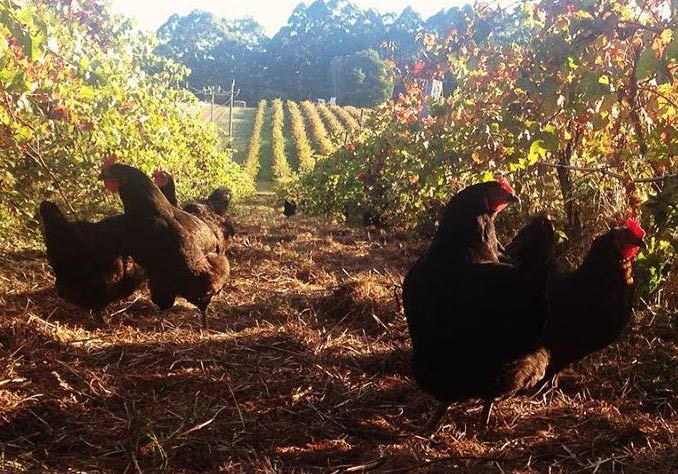
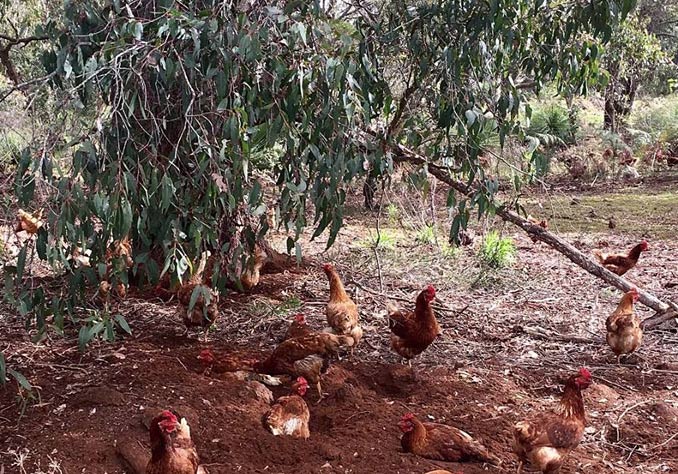
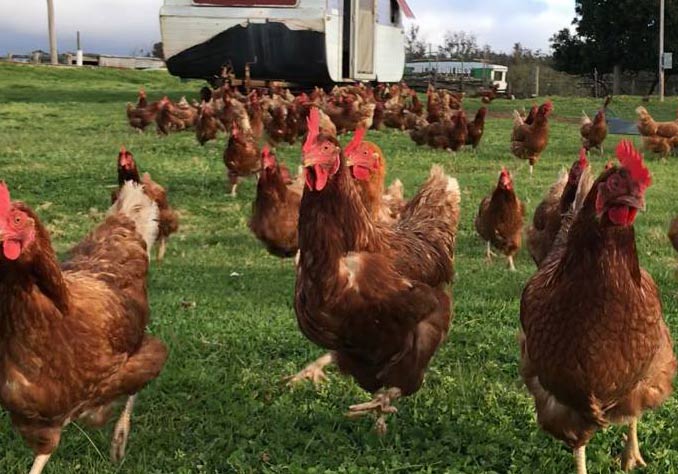
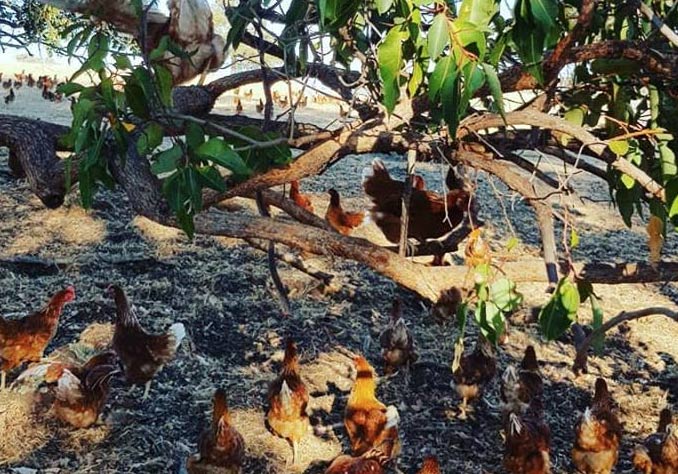
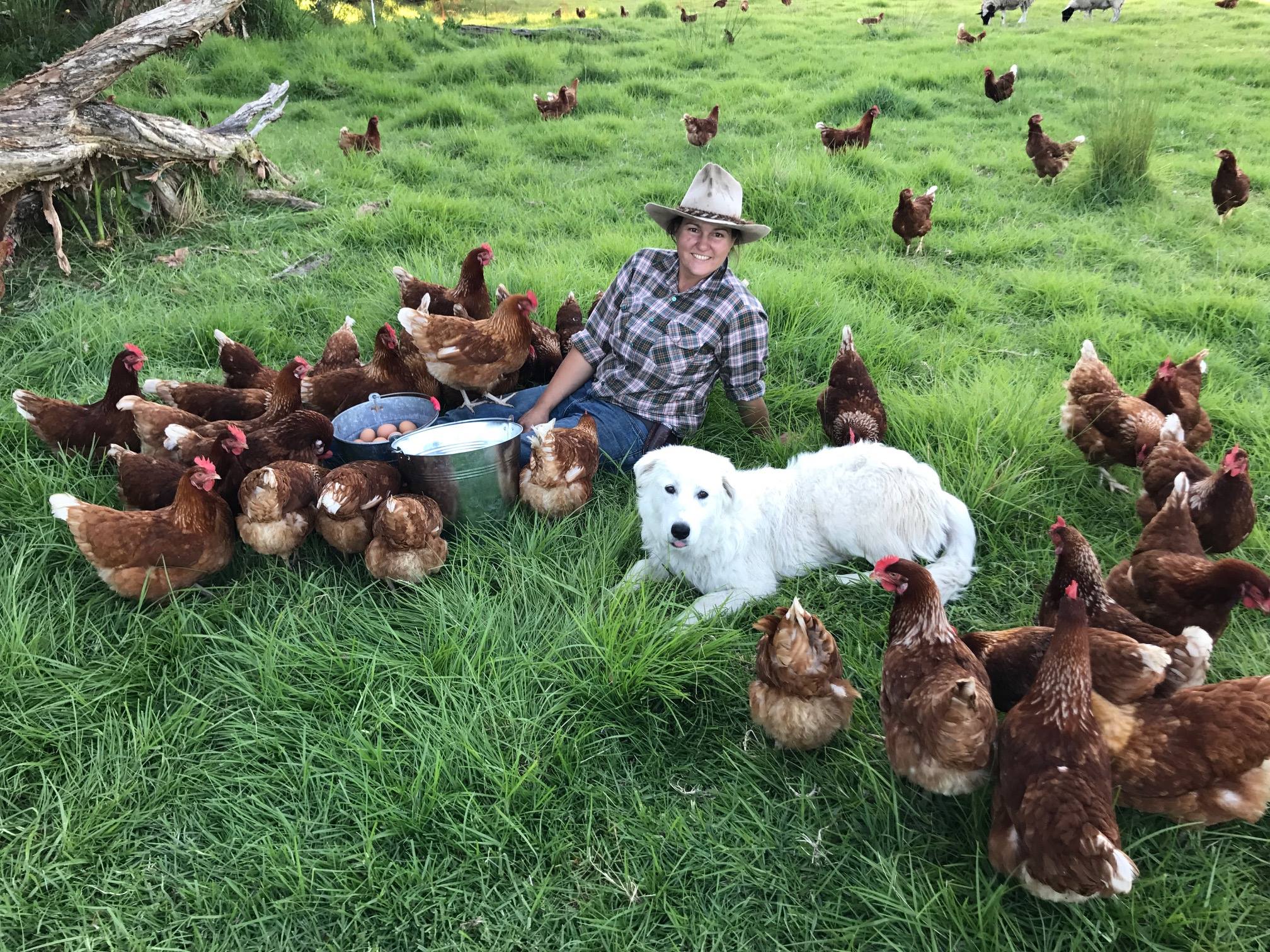
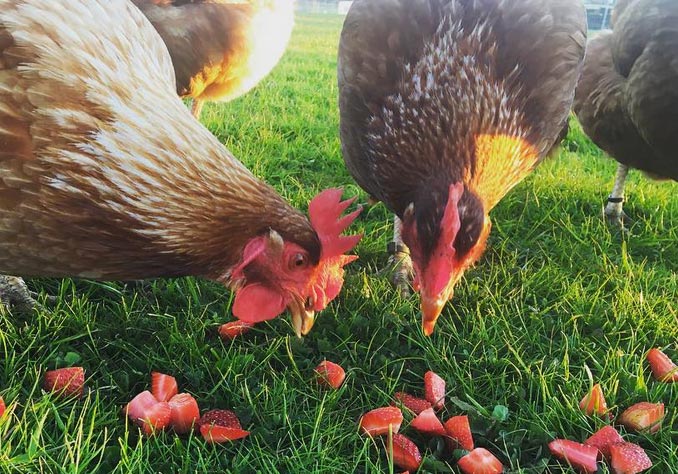
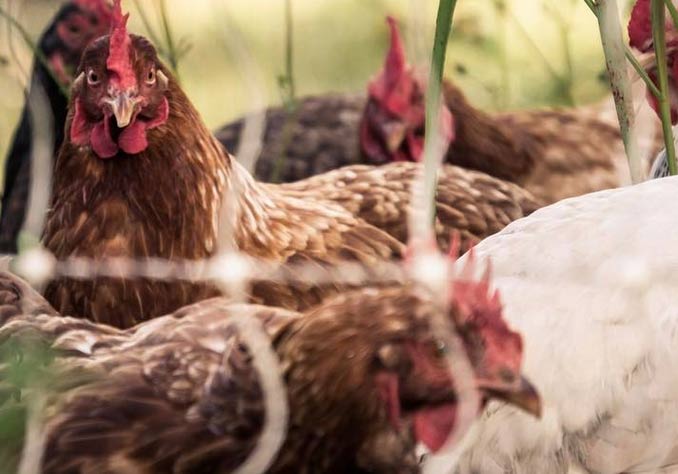
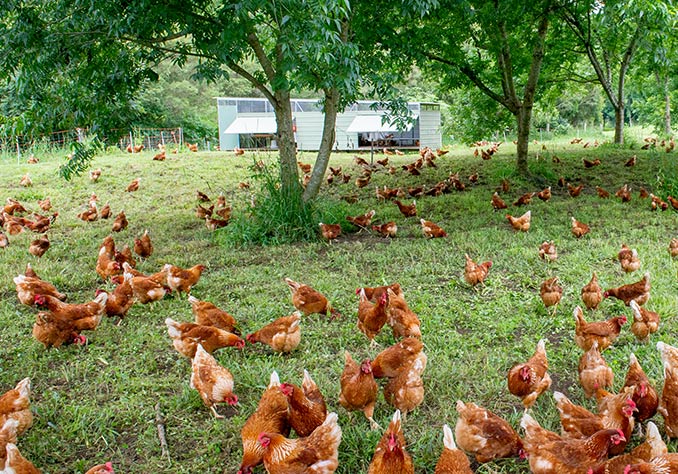
Otherwise, seek pastured eggs! These farms move their hens every few days to enrich the soil. The chickens can dust bathe, scratch and forage, eat wriggly worms and grubs. Their quality diet means rich, creamy eggs for us. And buying direct from the farmer, the eggs will be fresh, with round yolks that hold firm when poaching.
Look for these brands at farmers’ markets and local independent stores near you. Taste the difference and tell your friends!
Contribute: Do you know a farm that should be here? Email info@flavourcrusader.com for inclusion. Learn about the directories.
 12 Good Eggs, Barham
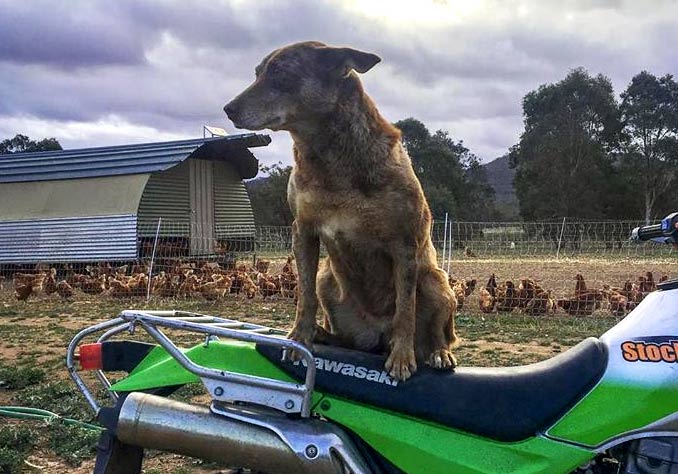
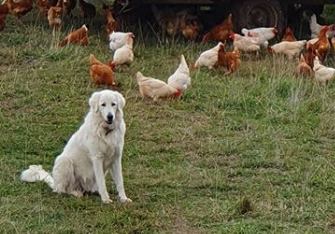
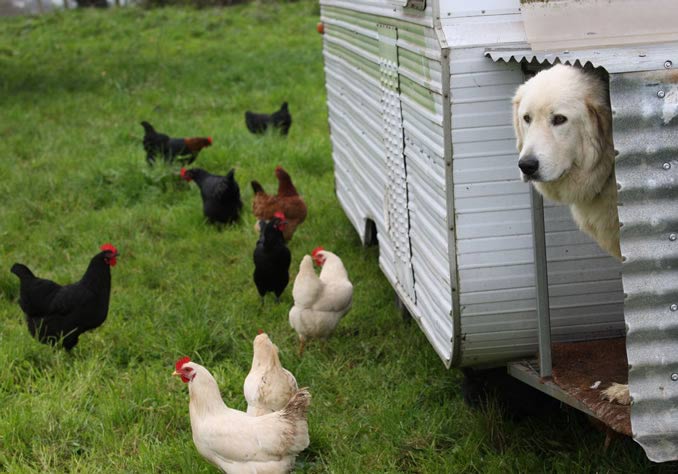
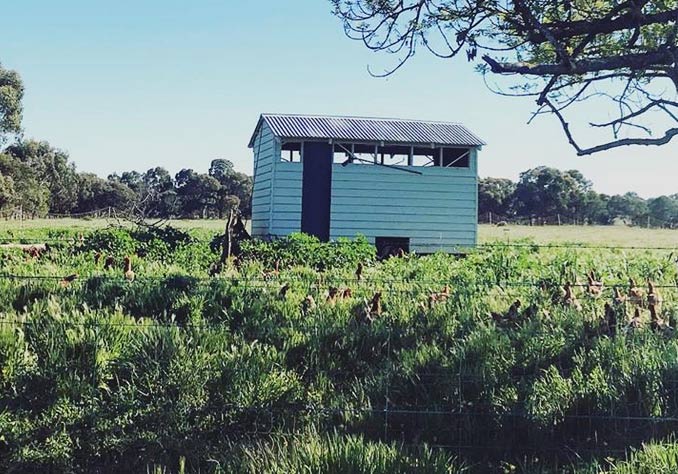
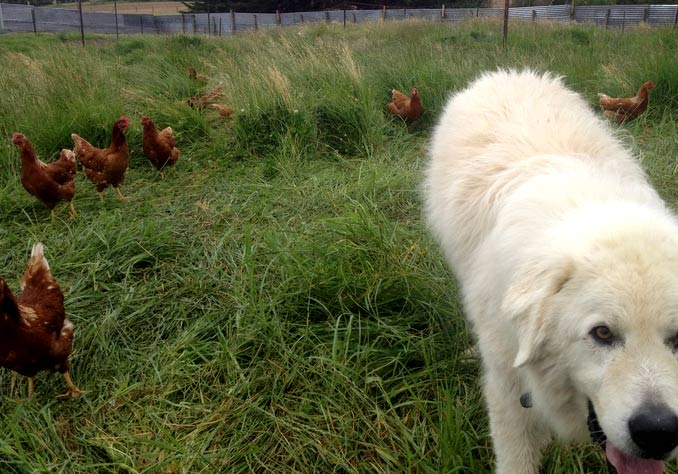
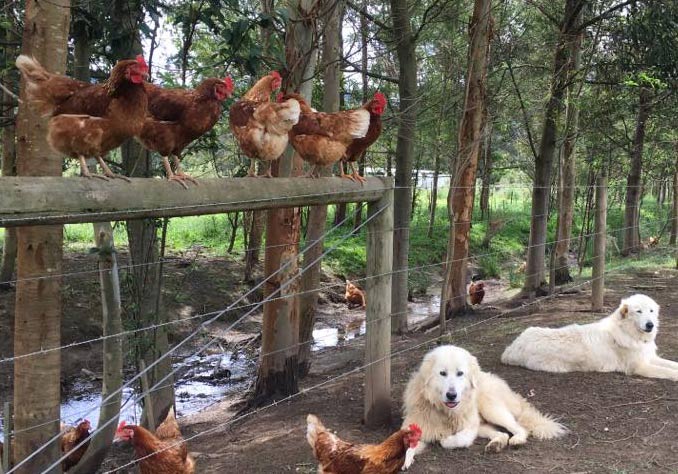
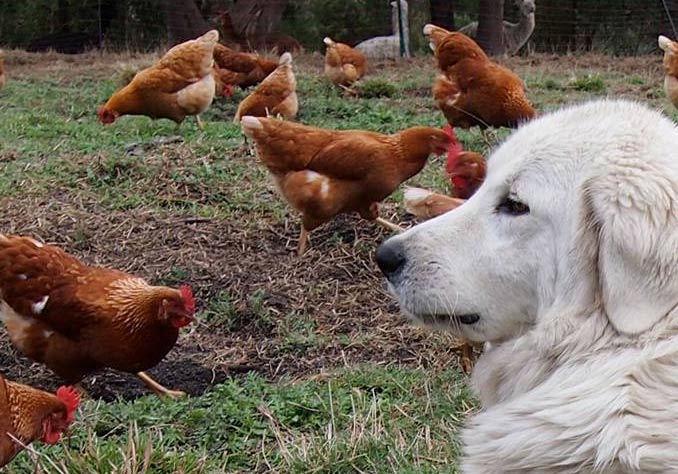
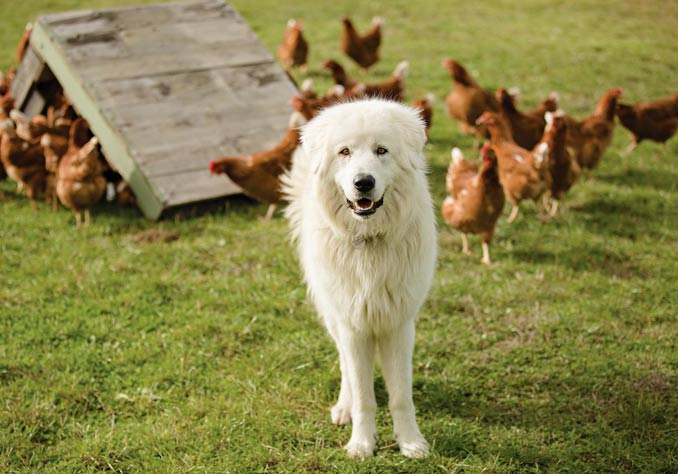
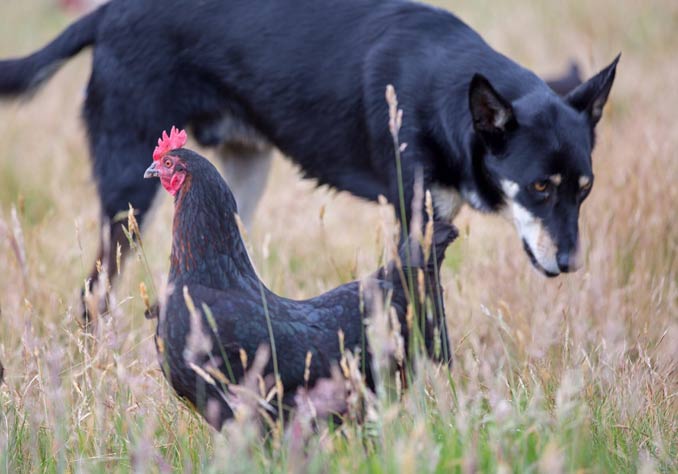
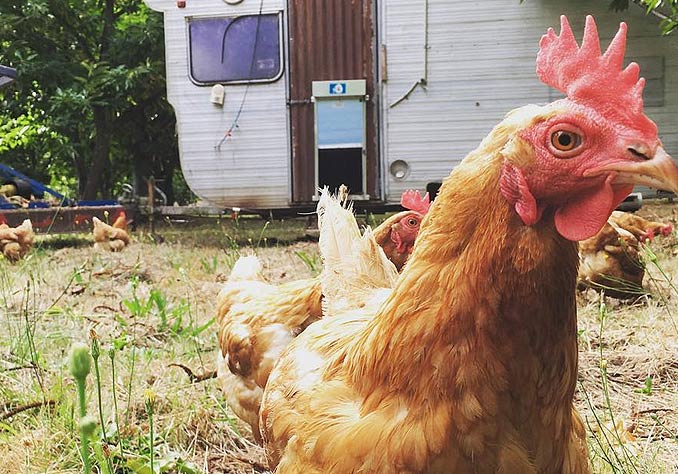
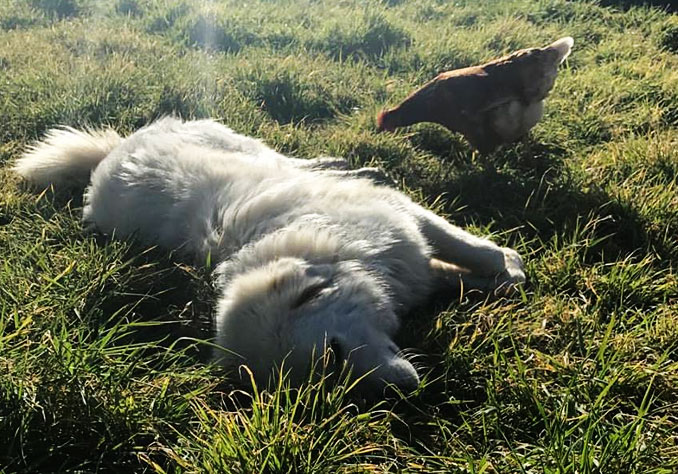
The girls roam the paddock under the Barham sunshine and shady Red Gums. They sleep and lay in caravans, which Glen and Mardie Gray shift twice weekly. The hens are protected by electric netting and Maremma dogs.
 A Taste of Paradise, Berry
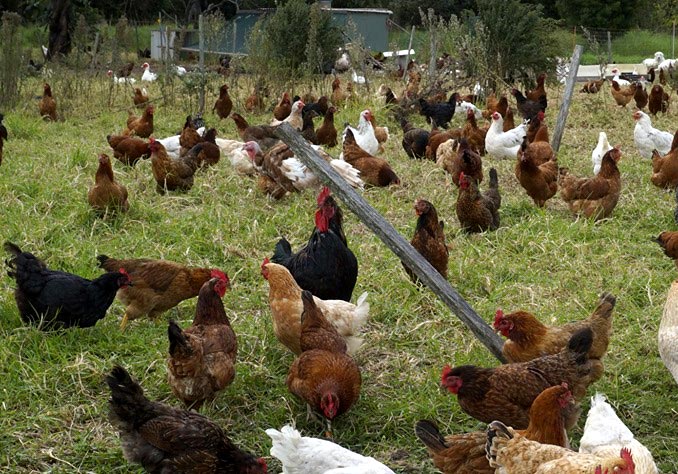
Alongside providing programs for young people, Tim and Andrea Francis run this mixed organic farm. Their chickens free range and can scratch, perch and live how nature intended. Their diet is supplemented with organic feed. Twin Maremma sheepdogs protect them in their enclosure.
 Allandale Pastured Free Range Eggs, Burnt Yards
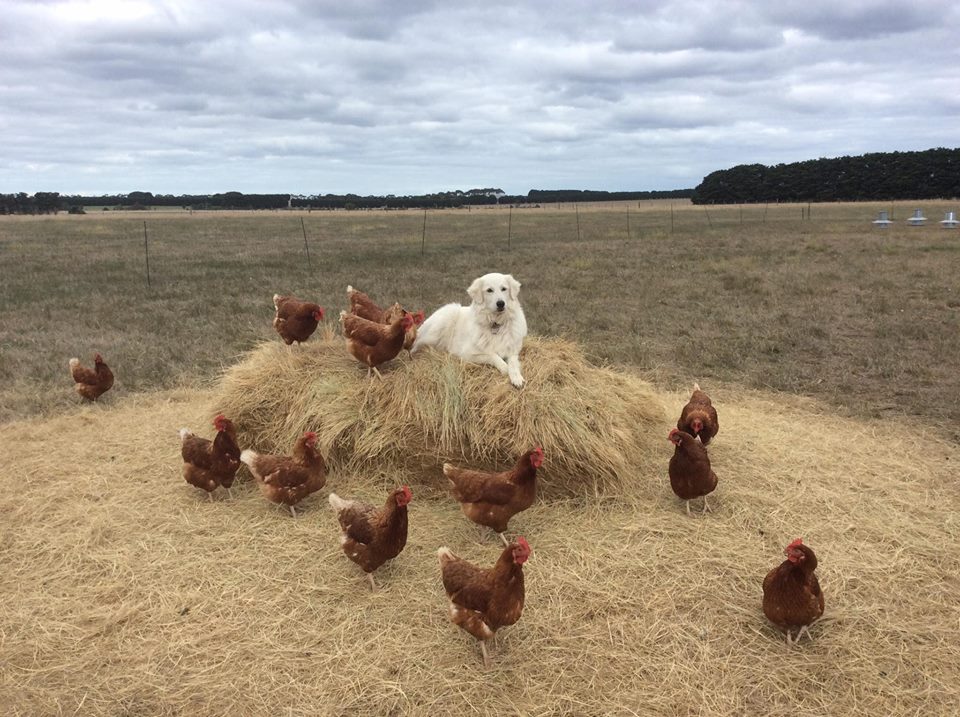
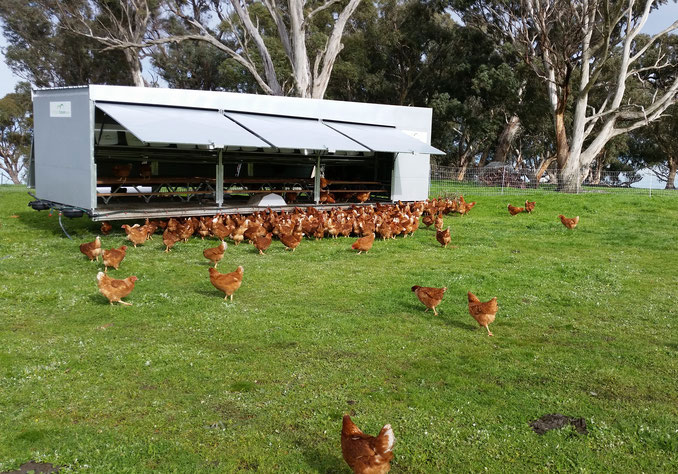
The hens freely roam where they please, stocked under 100 hens per hectare. Leisa and John house them in mobile sheds, and move to fresh pasture every day. Maremma dogs protect the hens from predators.
 Arden Farm, Orange
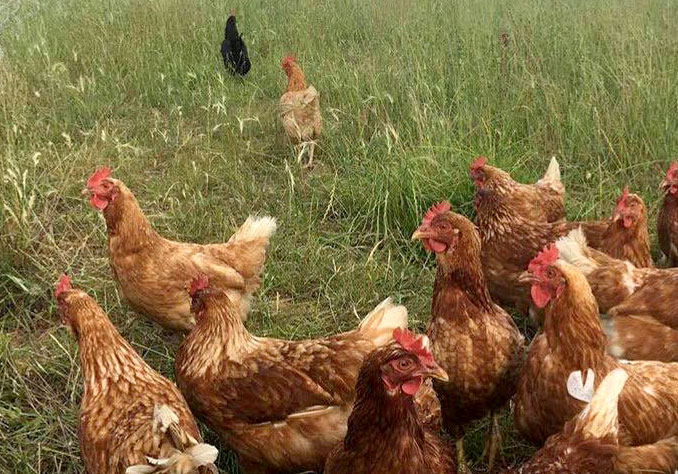
John and Kate Polain’s chickens graze freely, protected by two Maremma dogs. The farmers’ production is free from synthetic fertilisers, insecticides and herbicides.
 Bega Valley Eggs, Quaama
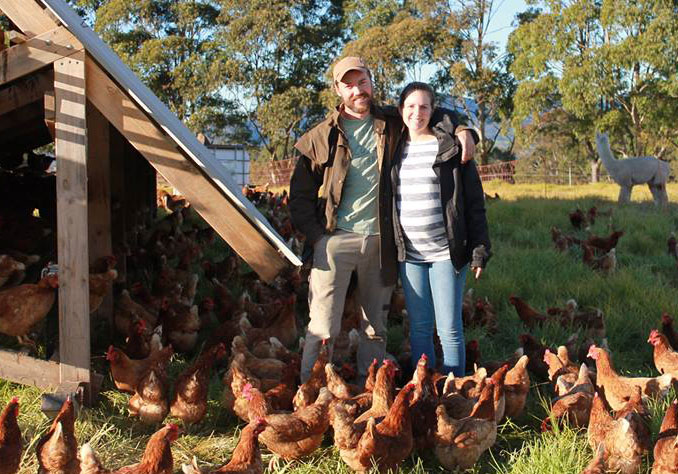
The chickens free range on pasture during the day, and roost in portable A-frame homes at night. Dan Tarasenko and Lyndal Guthrie move the chicken's homes weekly to keep them healthy and the soil fertilized.
 Brightside Produce, Captains Flat
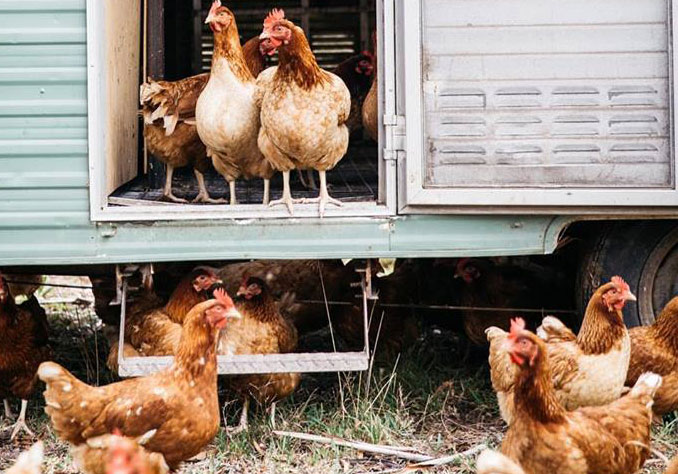
Emily Yarra and Michael Kobier produce a range of heirloom vegetables as well as pastured eggs on their small biological farm.
 Buena Vista Farm, Gerringong
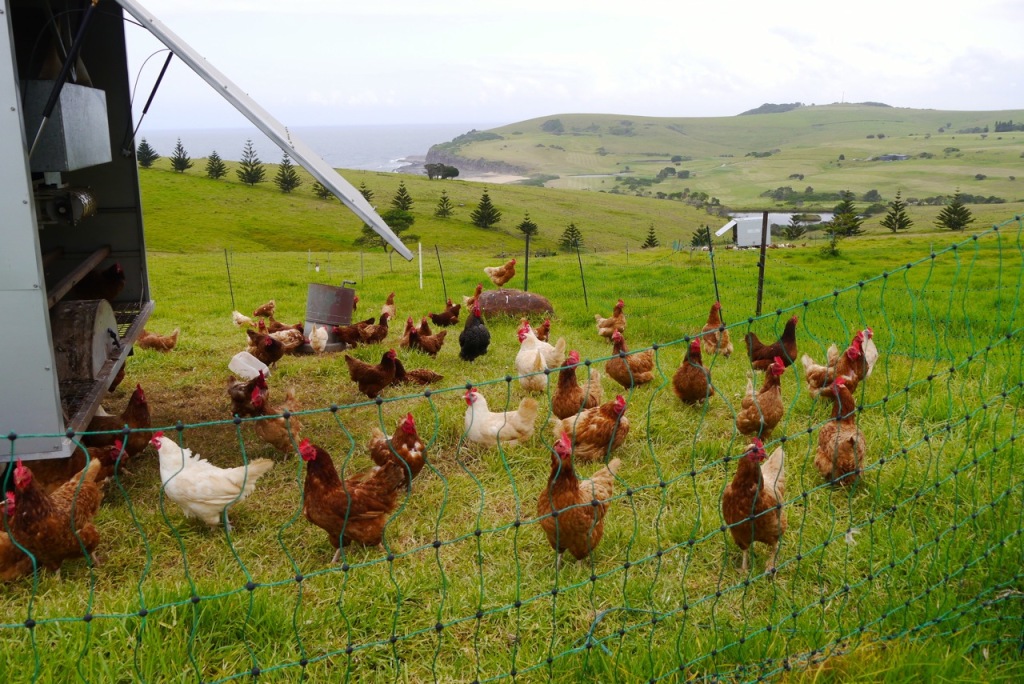
On a picturesque property, Fiona and Adam Walmsley have almost 300 laying hens, mostly housed in two mobile chicken caravans. The chickens enjoy big fresh paddocks of grass, moved every few days to a fresh spot.
 Burrabee Farm, Burra
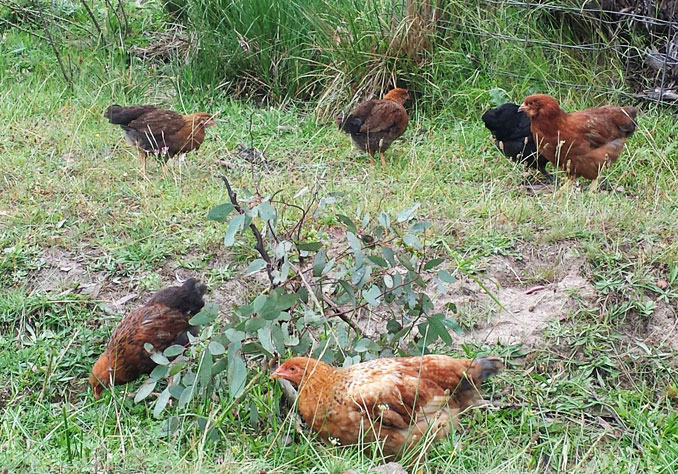
The Jones family’s chickens are free to roam, scratch, bathe and feed an entire paddock, and sometimes at their neighbour’s. At night, the chickens are locked away to protect them from predators.
 Carbeen Pastured Produce, Manildra
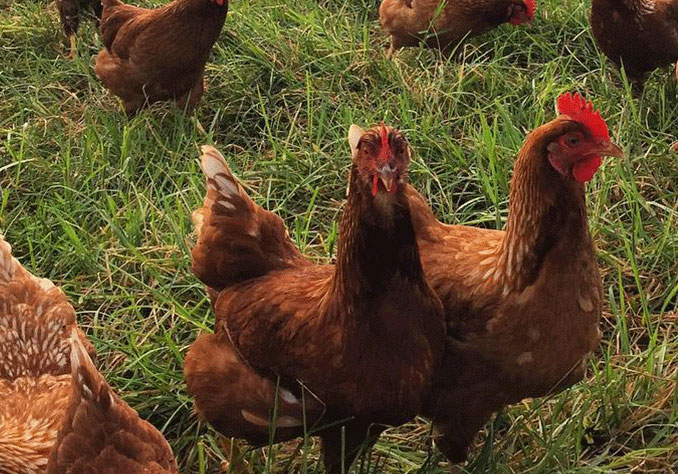
Rodger and Katherine’s hens are housed in trailers; they move the chickens daily, following in rotation behind their cattle and sheep. The farmers feed them grain to complement their grass and bug diet.
 Clarendon Farm, Pitt Town
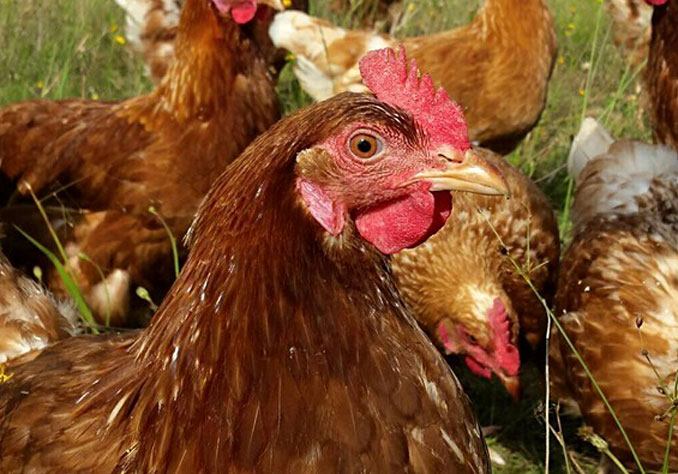
Ian Littleton’s hens follow the natural rhythms of a wild hen’s year. Hens past their laying prime reside in retirement paddocks. An electric fence and Maremmas protect them from predators.
 Corndale Grove, Corndale
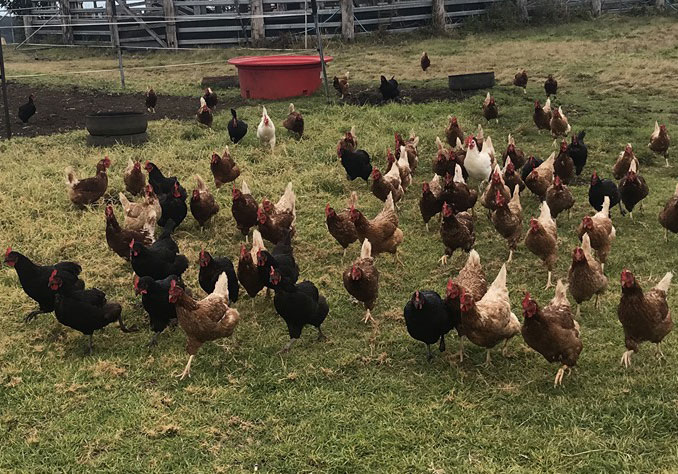
The Demeter certified bio-dynamic farm grow, harvest, dry and mill grain for their chickens. The farmers house the chickens in mobile sheds; they are protected by electric fencing.
 Dunromin Farm, Quorrobolong
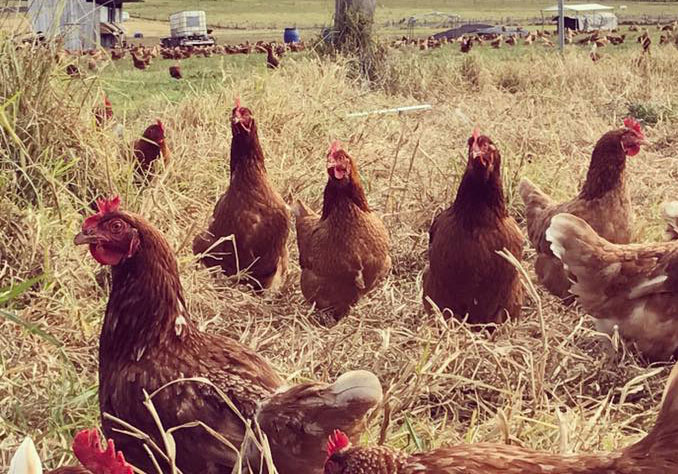
After coal went south, Garth Short left the mining industry and now enjoys great success with pastured eggs. His rotational hen house maintains good ground cover and soil health. The hens are protected from foxes by baiting, fencing and two Maremma dogs.
 Egganic, Mangrove Mountain
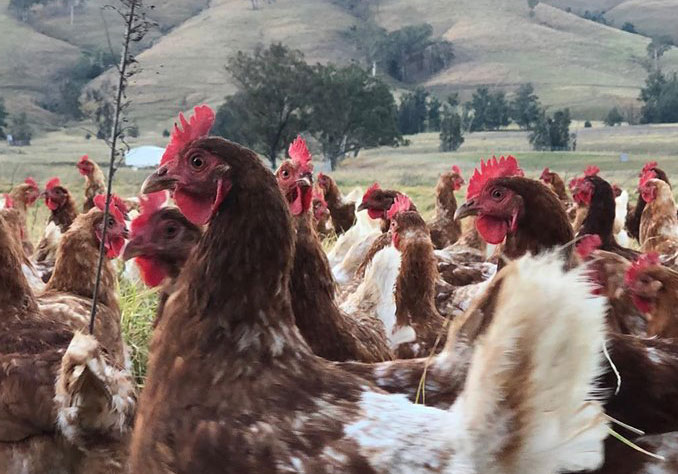
The Steel family’s chickens roam chemical-free paddocks, kept safe from predators by electric fencing and Maremma dogs. They lay and roost in a mobile shed and eat fresh green feed and certified organic mash. Tip from @UrbanGreenSpace
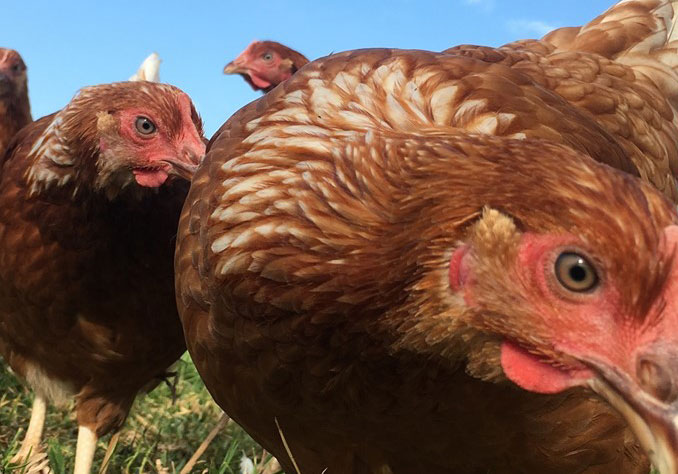 The Farm, Byron Bay
The Farm have two flocks of layer hens: an older flock of about 300, housed in a mobile A-frame chicken house, and a younger flock of 450, housed in a chicken caravan. Both flocks are rotated on pasture, moved weekly to ensure the hens have a fresh supply of grass and bugs.
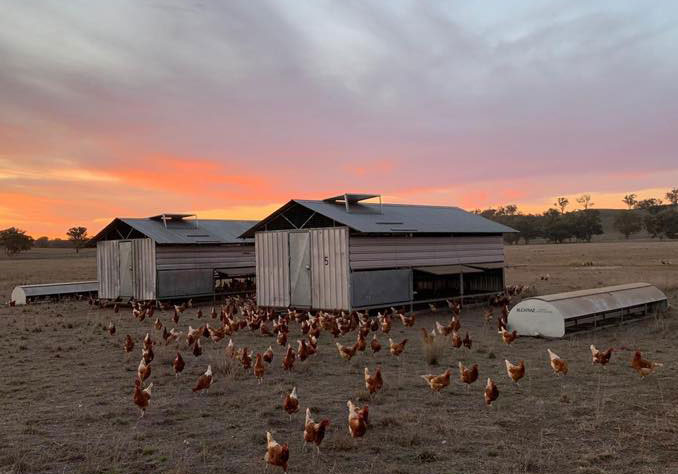 Farmer Brown’s Happy Hens, Spicers Creek
Hugh Maurice’s chickens are never locked up; they lay and roost in mobile caravans he moves every few days. In return for the fresh pasture and change of vista, the girls fertilise the land and lay delicious eggs.
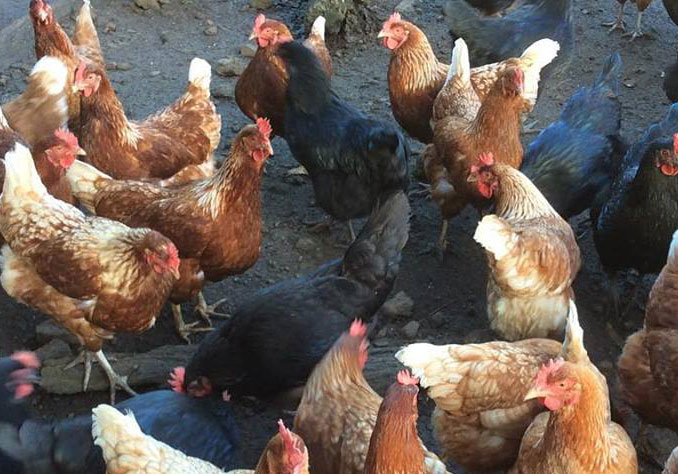 Glenrose Eggs, Kyogle
Eden and Jason Bruessow run 2,000 chickens on their certified biodynamic farm. The hens free range on pasture, and are regularly rotated. Milk from the jersey cows is curdled and fed to the hens daily. Maremma dogs protect the flock.
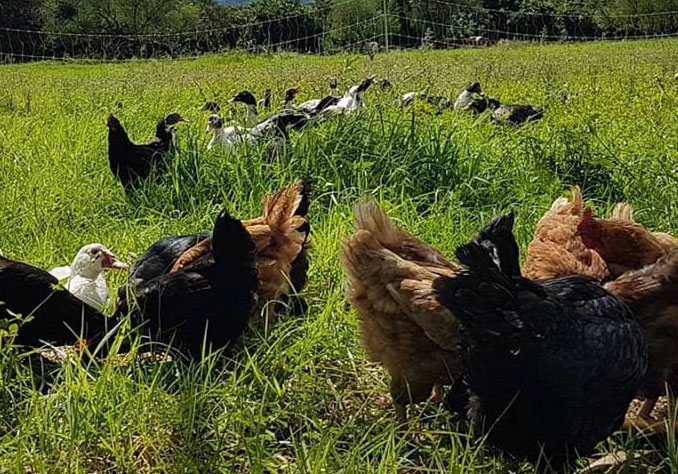 Grace Springs Farm, Kulnara
Tony and Virginia Mall’s house their chickens in mobile shelters, which they rotate to regenerate the pastures.
 Grassy’s Grass Fed, Yass
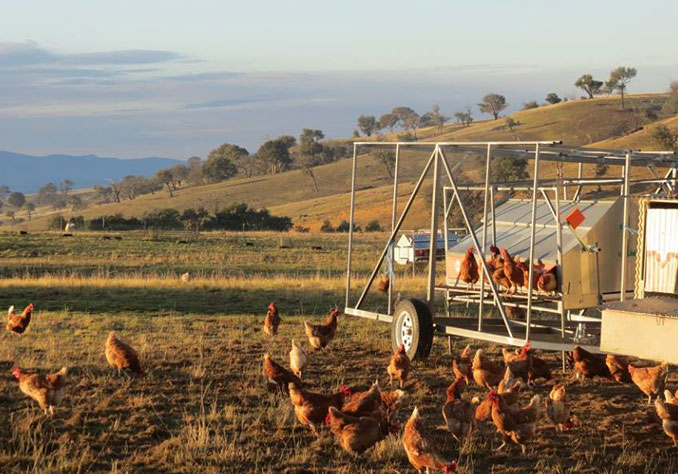
The McGrath family operates Grassy’s Grass Fed, but the most important members of staff are the three Maremma dogs that allow the hens to roam free when they wish. Housed in mobile trailers and moved onto fresh pasture regularly, the chickens improve the soil and produce quality eggs.
 Green Connect Illawarra, Warrawong
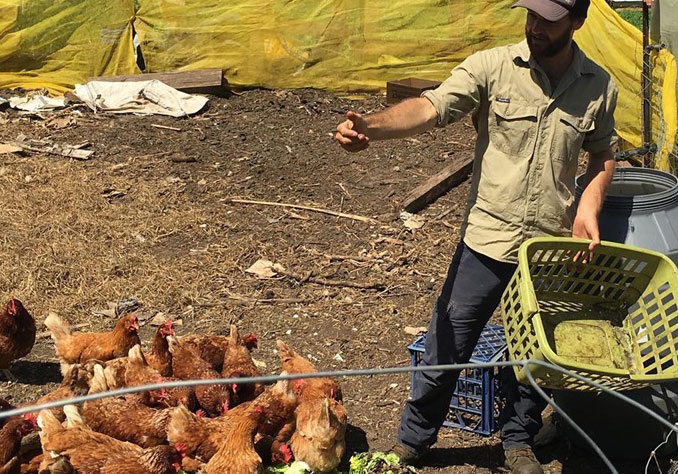
The Wollongong-based not-for-profit social enterprise employs young people and former refugees. Vege box subscribers can purchase their eggs.
 Greenmantle Valley Pastured Eggs, Bigga
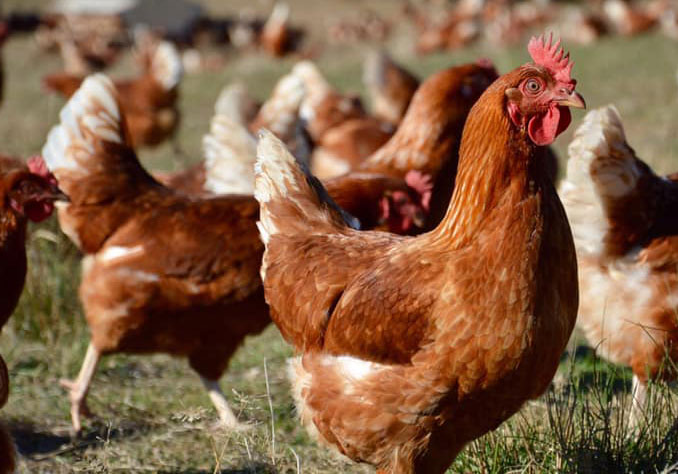
Heath and Rachel Davis have fewer than 100 hens per hectare on their 520 acre property. Their birds sleep in mobile trailers at night and are free to roam and forage in the open pasture all day long.
 Gunning Bum Nuts, Gunning
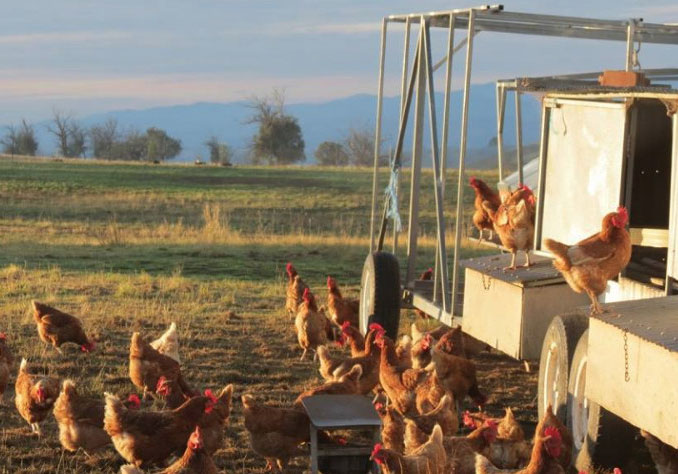
Craig and Theresa Robinson’s chickens have access to pasture all day, every day, and are rotated through chemical-free paddocks. They also have access to fresh rainwater in enclosed tanks.
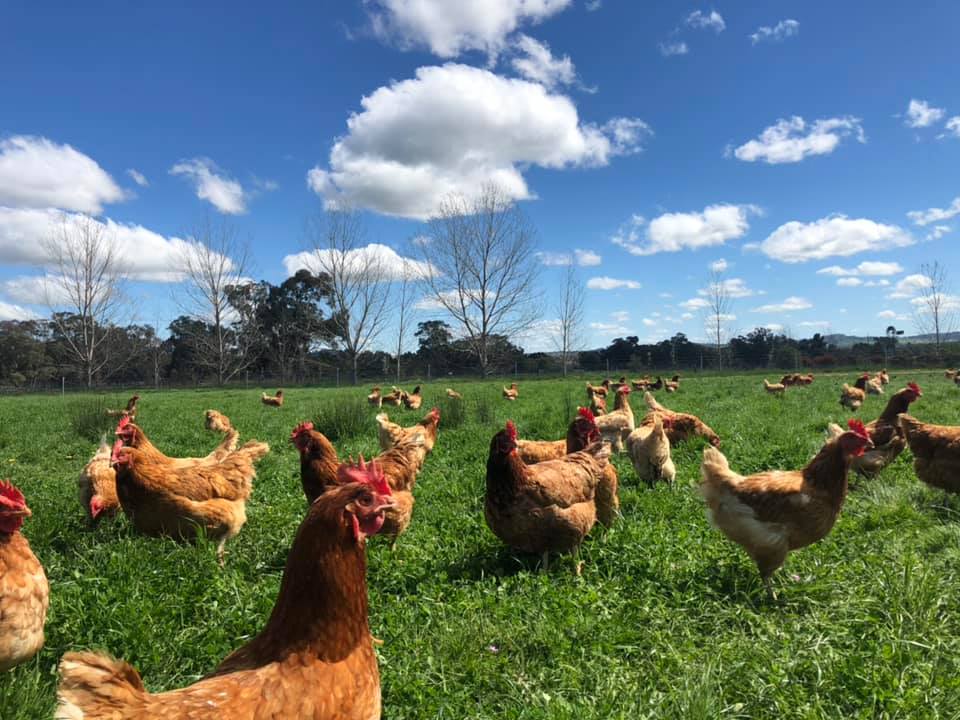 The Happy Hens Eggs, Jindera
Vet nurse Cassie has a small flock of Araucana and Plymouth Rock hens. She moves their mobile home weekly.
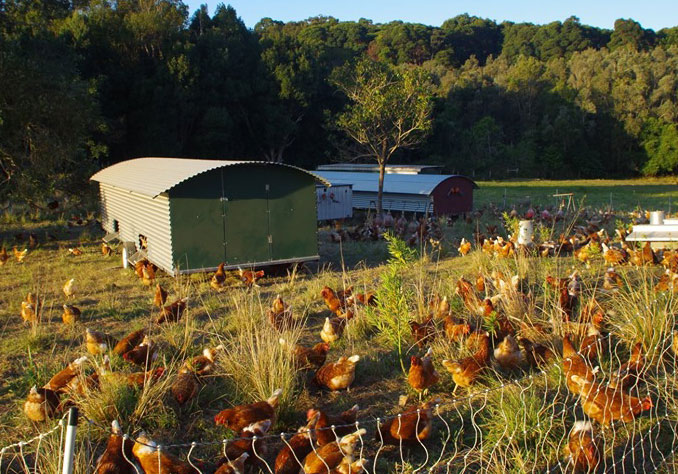 Hayters Hill, Byron Bay
Brothers Hugh and David Trevor-Jones are fourth generation farmers with a 120-hectare mixed farm just five minutes from Byron Bay. They rotate their 2,000 chickens on pasture, with plenty of room to move.
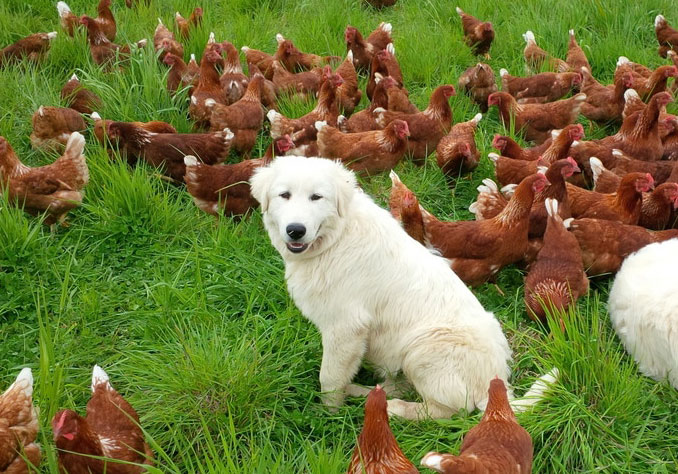 Hilltops Free Range Eggs, Boorowa
Anthony de Silva moves the chicken’s mobile sheds around every few days so they can always enjoy fresh green grass. He rotates the paddocks between the chickens, Merino sheep and Angus beef cattle.
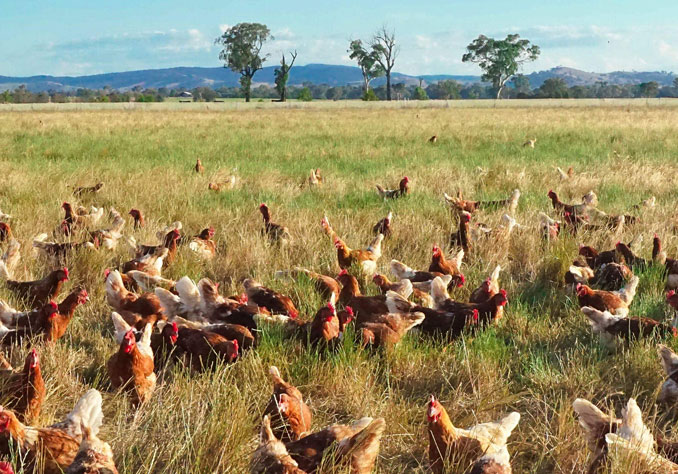 Holbrook Paddock Eggs, Holbrook
Sam and Prue Pincott’s 2,600 hens roost and lay in portable sheds which they move onto fresh pasture twice weekly; the hens are free to roam the paddock with access to fresh grass, bugs and grubs. Two Maremma dogs protect them from predators.
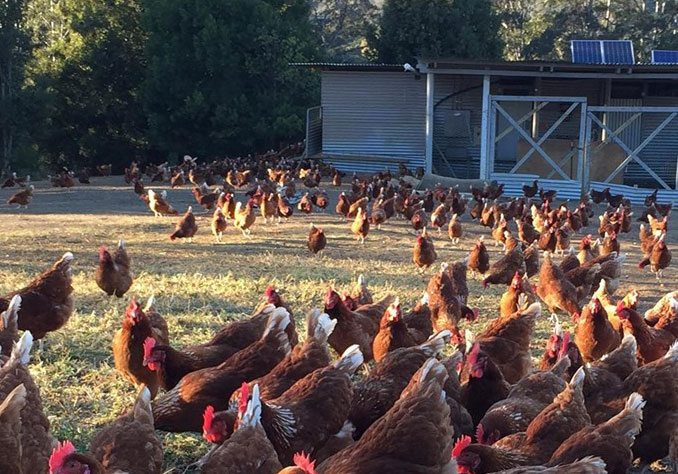 IdleWilde Farm, Bulga Plateau
Darren and Liane’s hens are free to roam from dawn to dusk on green pastures, protected by Maremma dogs. The hens are housed in customised caravans that they move to new pastures as the rotation schedule dictates.
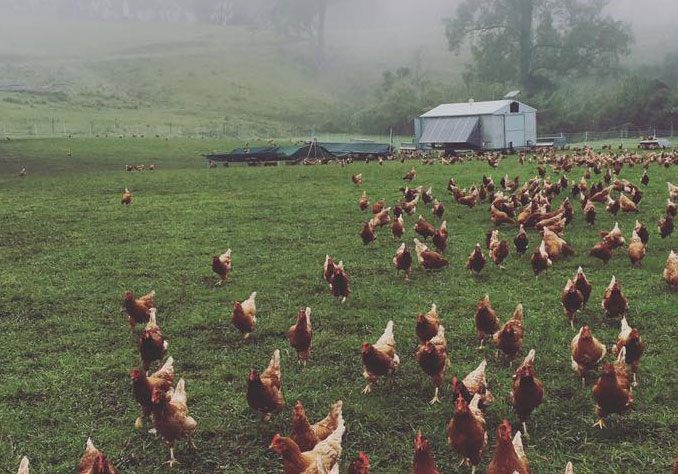 Just Been Laid, Eccleston
Sarah Sivyer’s 1,500 birds roam on pastures and are housed in mobile sheds. She moves them across the pasture after the cattle to help fertilise the soil. All eggs sold are less than 72 hours old, and sometimes they are laid the very same day.
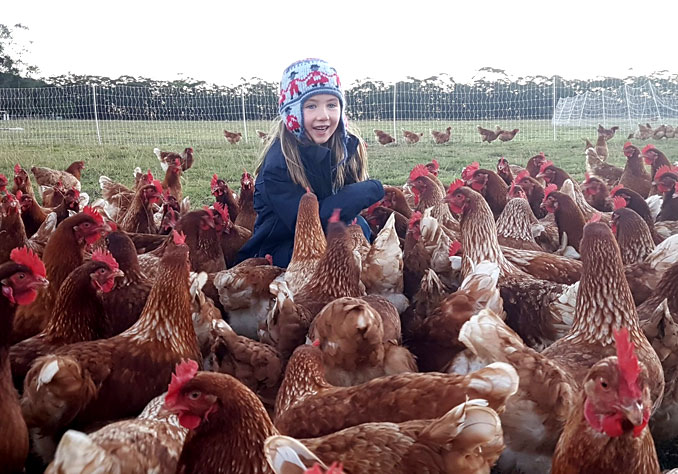
Kangaroo Valley Pastured Eggs, Kangaroo Valley
The hens have access to fresh grass daily so they can live their lives in a natural setting. Two Maremma dogs watch over over the flock.
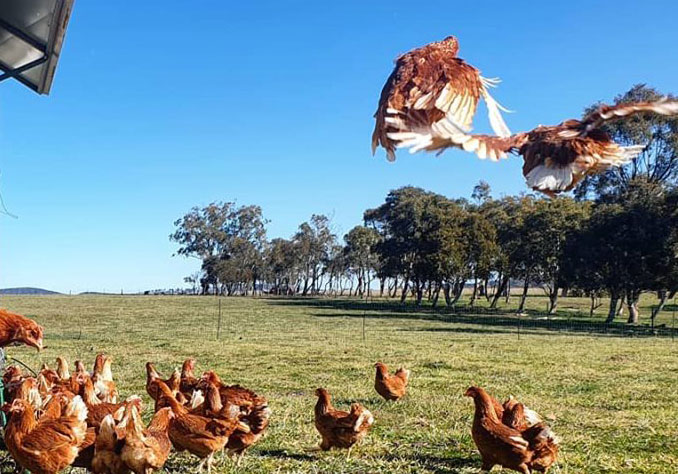 Kurrafalls Farm, Lidster
Husband and wife team, Lisa Darley and Quenten Jones, free range their layers with protection from predators by electric netting and Maremma dogs. The hens sleep in a custom-built chicken caravan, which the farmers move weekly.
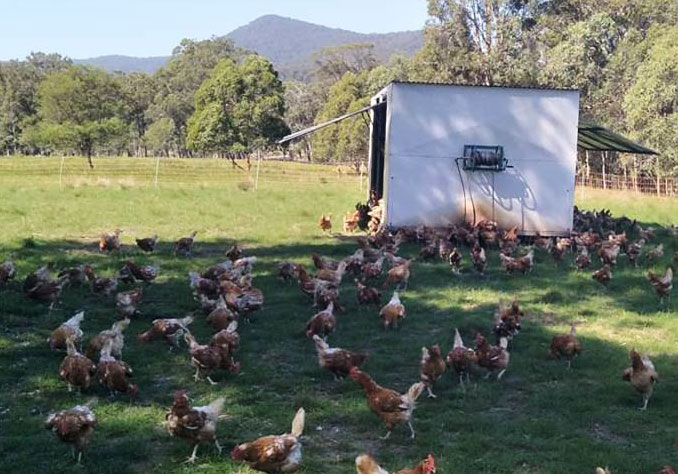 Little Hill Farm, Mt Vincent
Simon Carroll and Kelly Eaton’s chickens are an essential part of the grazing rotation and the birds are provided a fresh patch of pasture every few days. Their diet of grasses and insects is supplemented with a quality grain mix, free from medication.
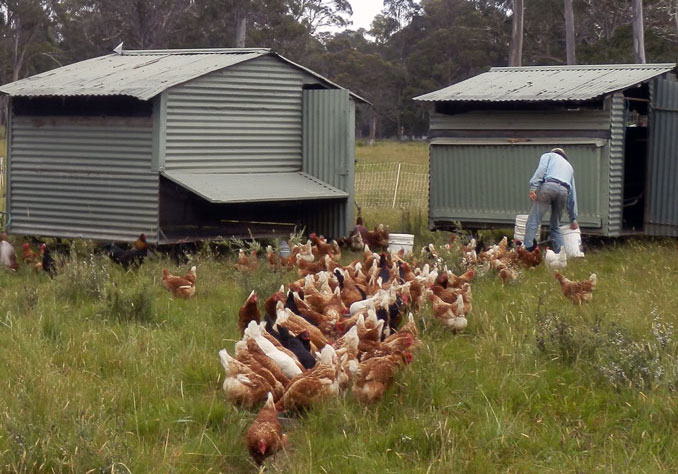 Mayfield Farm, Dorrigo Plateau
Ian and Sandra run approximately 160 birds. The hens are housed in mobile sheds placed within electric netting and are moved twice a week. Over the course of a year, they have rotated around most of the farm, fertilising the paddocks as they go.
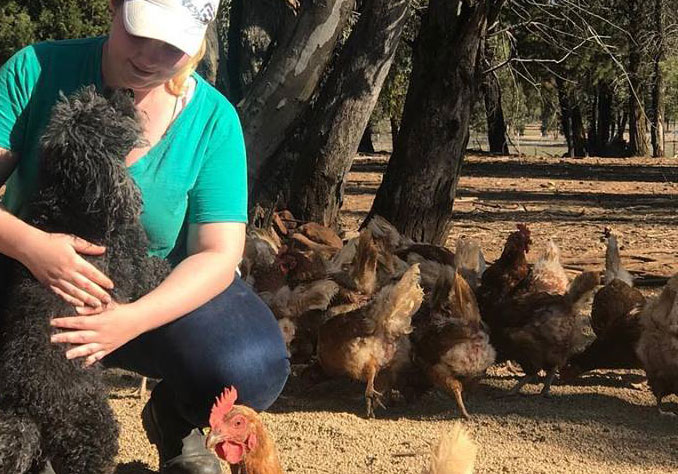 Motherclucker Eggs, Dubbo
The Graham family’s hens spend their days dining on wild grasses and bugs, with an abundance of sunshine, vitamins and minerals. They are protected by Maremma dogs and sleep in a mobile caravan at night.
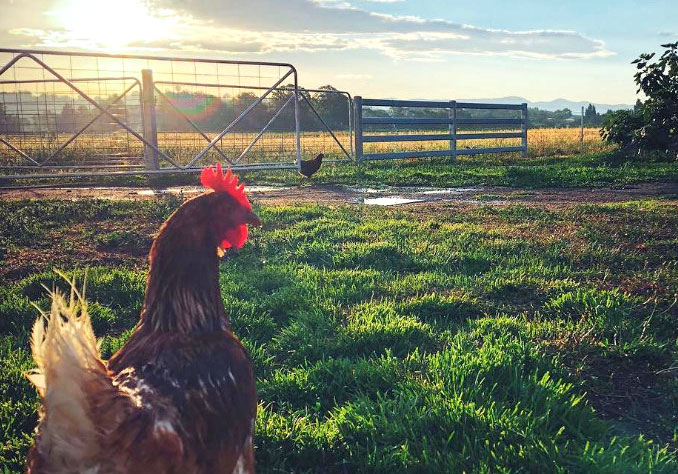 Mt Frome Pastured Eggs, Mudgee
Starting from a small a flock of four, enterprising Lily Moore now has 200 hens foraging on the river in Mudgee.
 Mount Warning Pastured Eggs, Uki
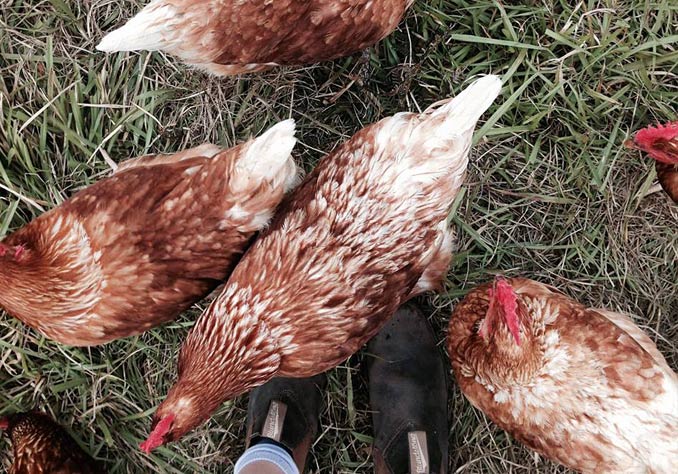
The chickens, from a variety of breeds, are free range in paddocks at all times and roost in their mobile shelter whenever they please. They share the pasture with the cattle and are moved onto fresh pasture every 7-10 days. They are fed certified organic grain.
 Mulloon Creek Natural Farms, Bungendore
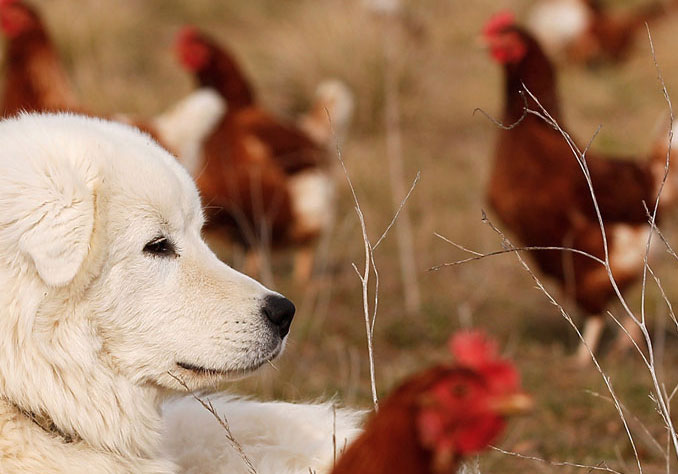
The hens forage on pasture grasses and legumes supplemented by mixed organic grains, and free fed on shell grit and a protein supplement. Their eggmobile is moved twice weekly, with each flock protected by two Maremma dogs. Tip from Carolyn.
 Oaks Organics, The Oaks
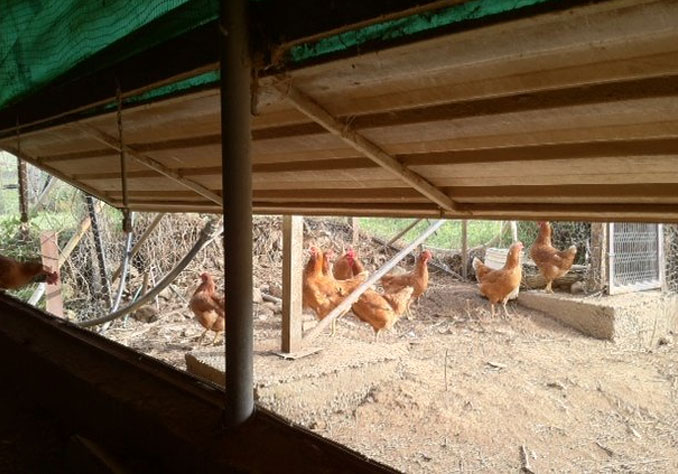
Peter and Julie Clinch supply open-range organic eggs from their farm located approximately 70km from Sydney. They feed them supplementary soy-free certified organic ration.
 Organigrow, Monaltrie
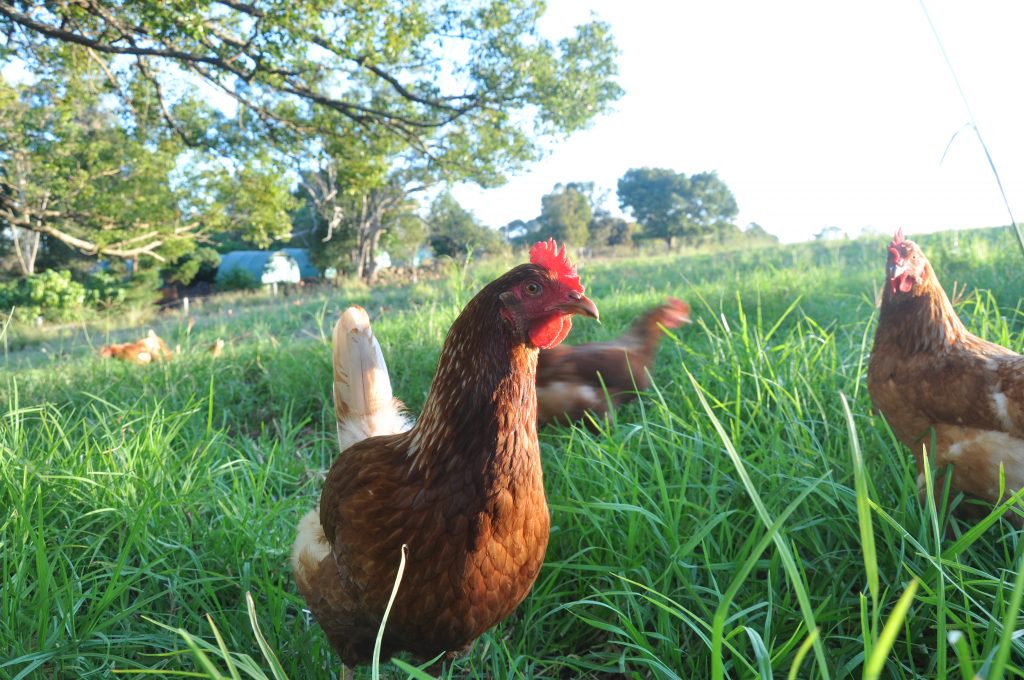
The Cripps Clark family rear 5,000-6,000 laying hens, housed in a movable shelter. The hens have access to green peck, supplemented by certified organic vegetarian grains. Shady trees, bird netting, electric fencing and Maremma dogs protect them from predators.
 Oxhill Organic, Wauchope
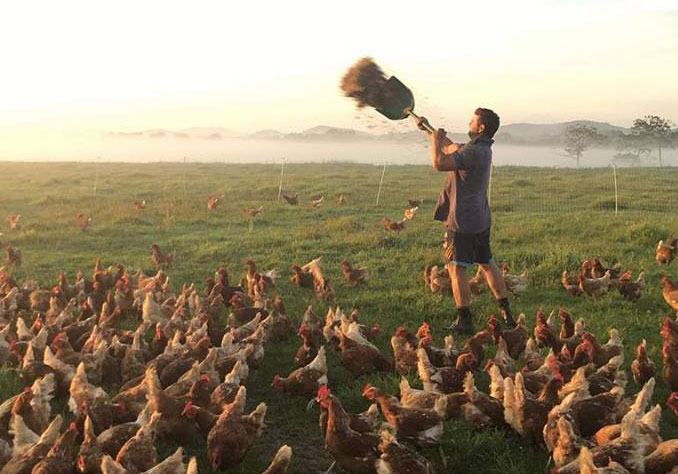
The Eggert family’s certified organic farm has 2,000 laying hens that they move every two days to fresh pasture. The hens are fed a fresh porridge mix; the grains are cracked and mixed with organic milk from the on-farm dairy.
 Papanui, Merriwa
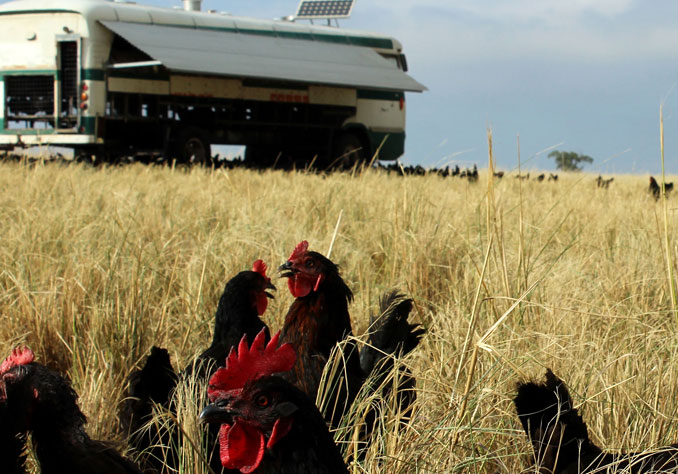
The chickens are called “open range” because they’re not contained by fences or ever locked up. They follow a herd of beef cattle in a planned rotational grazing regime, protected by Maremma dogs. A commercially produced layer ration supplements their feed. Tip from Carolyn.
 Possum Creek, Bangalow
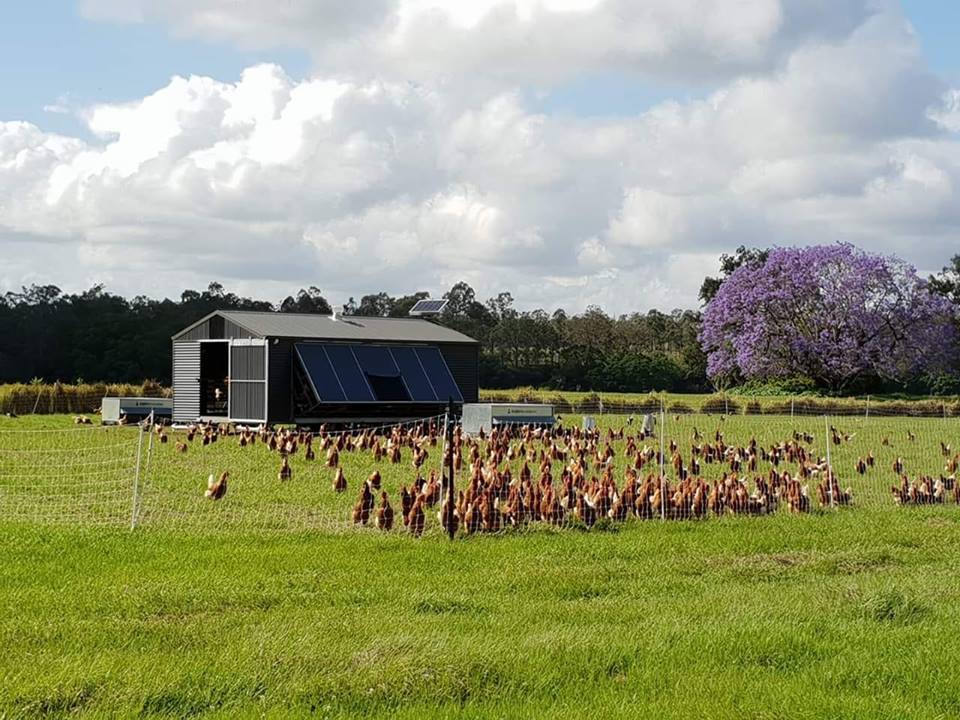
Permaculture, holistic management and Polyface farming practices produce a food system that works with nature. Andrew Cameron’s 150 hens forage on pasture, pecking at bugs and insects, and dust bathe; they roost in their caravan that is regularly moved.
 Provincial Pastures, Brogo
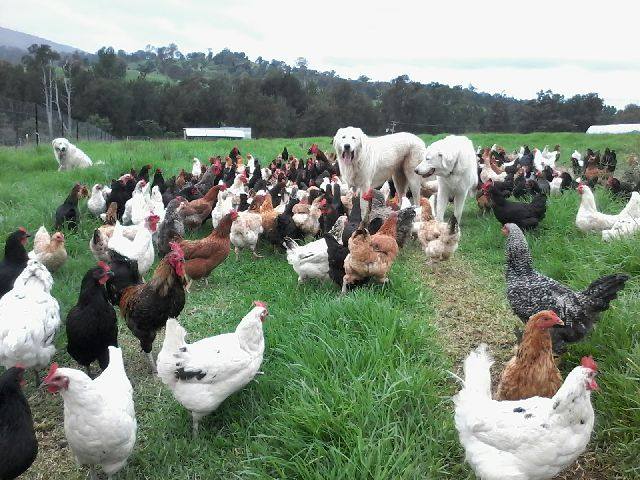
David Charlton and Lisa Roberts are working to regenerate Provincial Pastures, a mixed use polyculture farm, in transition to full organic and biodynamic production. The chickens lay and roost in a mobile caravan; Maremma dogs protect them.
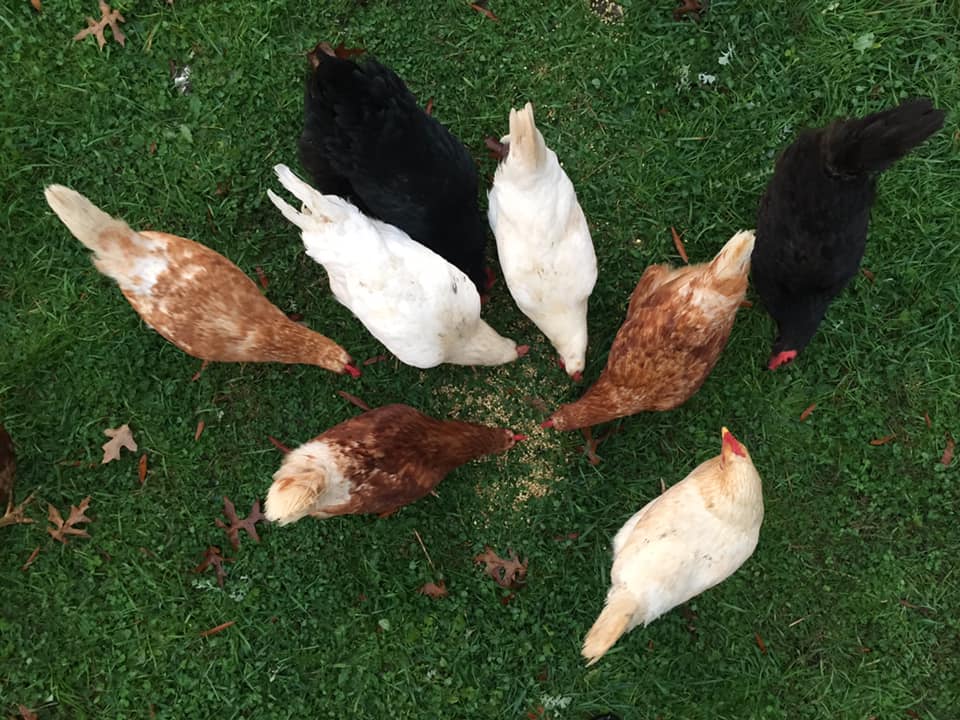 RAD growers, Bungowannah
Erin O’Callaghan and Belinda Joy Sheekey’s chickens are free to roam, regularly moved through the paddocks and red gum forests, in a mobile caravan. The chickens dust bathe in the sun, forage through fresh pastures and feast on grubs and bugs, with supplementary local grain.
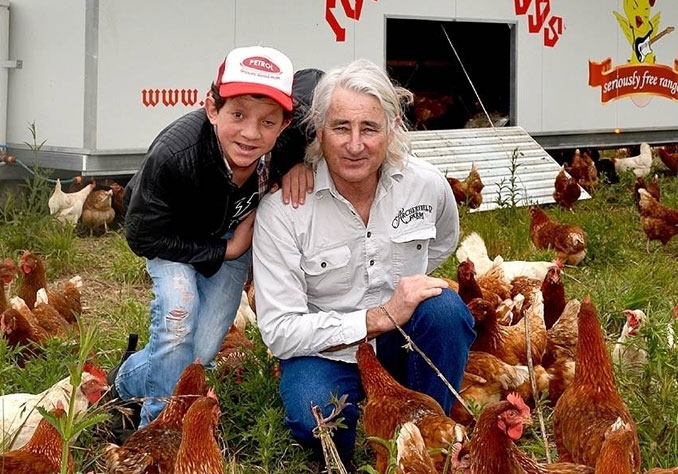 Rock Chic Eggs, Ballina
The Murphy family hens run wild in large paddocks, eating grass and bugs, scratching and rolling in dirt, running, jumping, stretching and flying. The eggs are laid to order avoiding unnecessary waste or use of the soil and grazing areas.
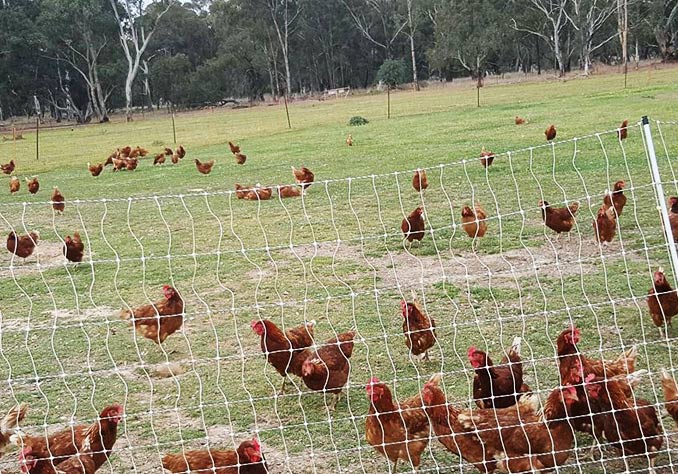 Smith’s Free Range Eggs, Temora
Helen and Dennis Smith’s 2,500 hens have sheds with laying boxes, perches, feed and water. They are collected weighted, packed, marketed and distributed by the Smiths. Tip from @bizzylizzycooks
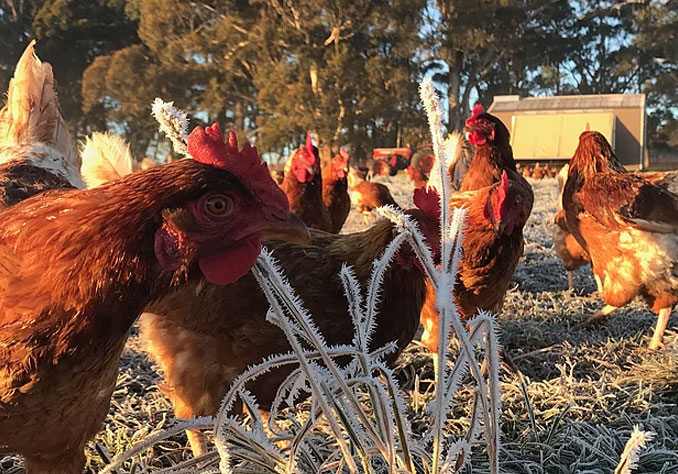 Taluca Park, Exeter
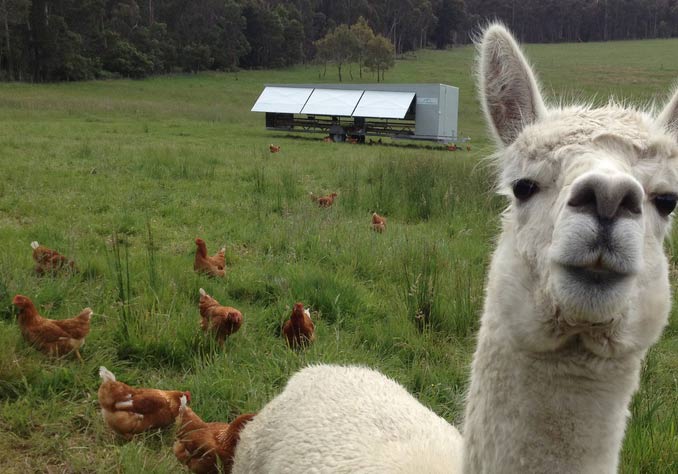
Frank and Annamaria Vigliante use a rotational grazing program to ensure their chickens are constantly on fresh pasture. The chicken dig, collect bugs and dust bathe. Llamas protect the chickens from predators.
 Tathra Place, Taralga
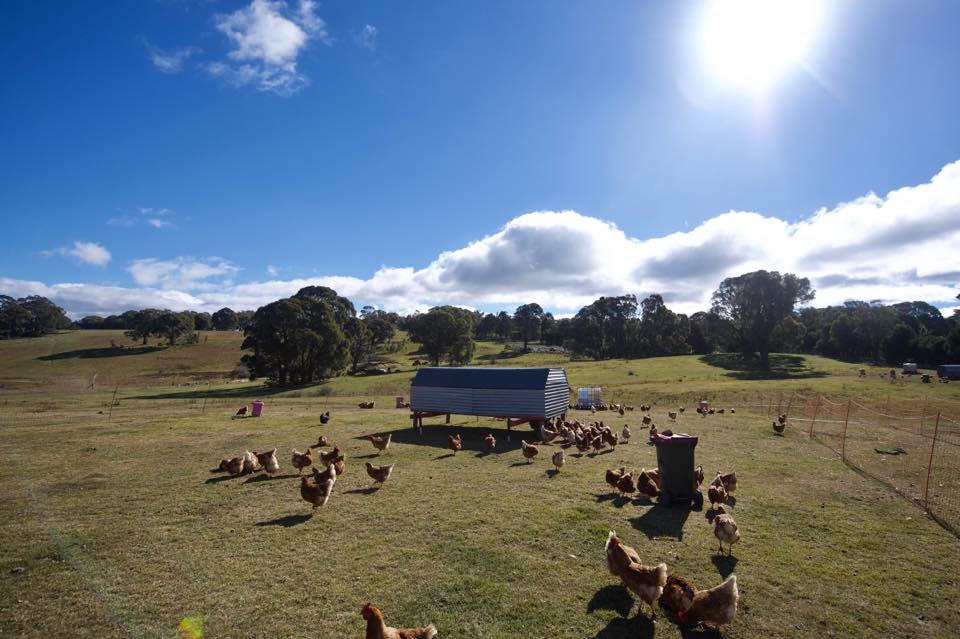
Luke and Pia Winder’s chickens are fully beaked, which is useful, as they forage for bugs and worms. The chickens sleep in caravans, which are rotated over 100 acres, behind the cattle. They are currently stocked at 6.6 birds per hectare.
 Topi Open Range, Bungwahl
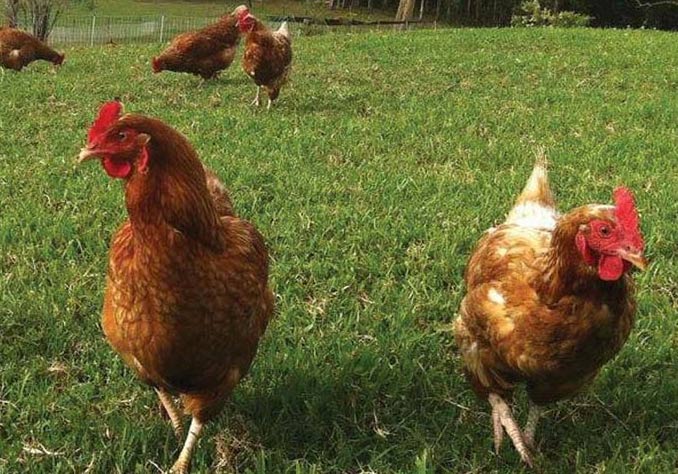
Sue Williams’ chickens always have access to open green pastures, fresh rain water, dust baths. The feed is Australian Certified Organic.
 Waterfall Produce, Orara
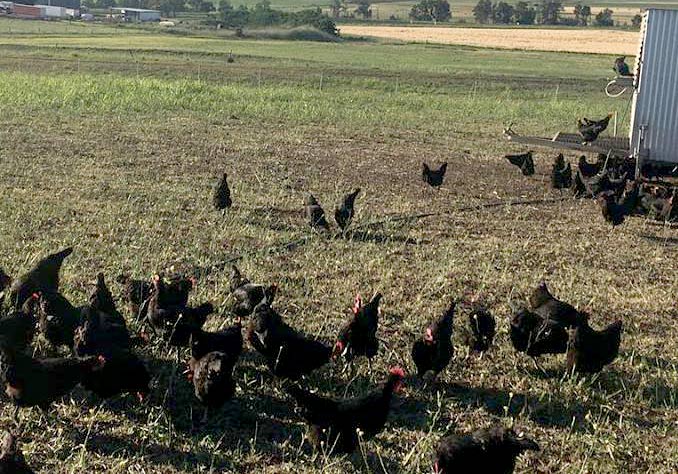
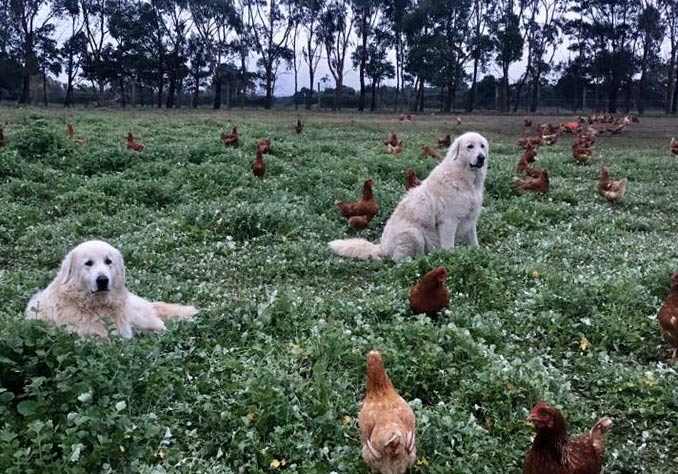
Troy Blackman and partner Hannah run their Australorps behind a herd of cattle, moving into a new paddock each week. The chickens scratch away at the cow manure and eat the bugs, worms and ticks; this helps to sequester carbon, and improve the soil and pasture.
 West Walla Farm, Walla-Walla
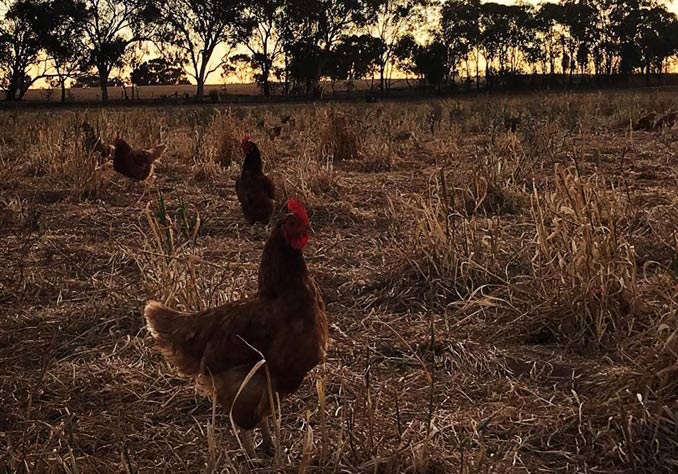
‘Rambling Riverina Pastured Eggs’ are laid by hens who roam free, pecking and scratching, eating bugs and grass. Tobias and Amy Lehmann move the ladies onto fresh pasture every few days. The hens shelter in their caravan whenever they like; they are never locked up!
 Windellama Organics, Windellama
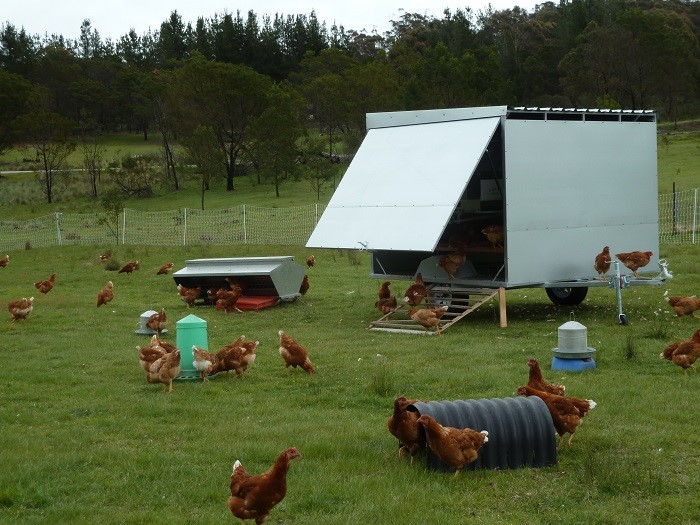
The certified organic farm has two flocks of 100 chickens each, with each housed in a mobile caravan ranged over four hectares of paddock. Thus the stocking density is 250 hens per hectare. Each flock is protected by solar-powered, movable, mesh fencing.
 Woodland Valley Farm, Fernvale
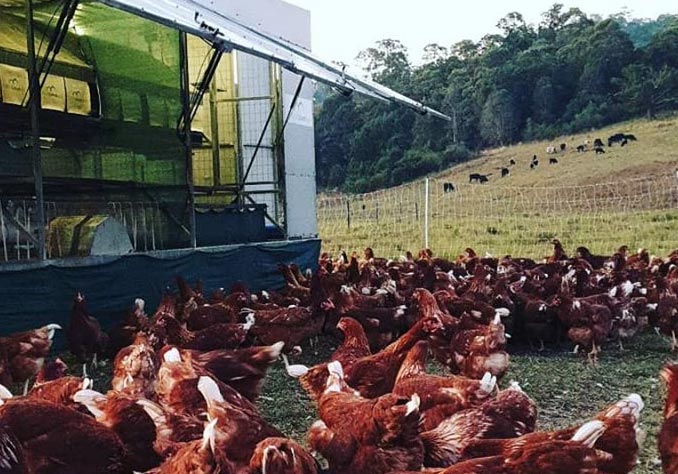
Fabian Fabbro and Jodie Vicaars believe their managed pasture farming system is kinder to the environment and the hens. Manure enhances the pastures that are maintained in top condition by regular stock rotation. The pastures then feed the hens as they select from a fresh smorgasbord of bugs and insects while pecking, scratching and creating wonderful dirt day spas in shady hide-aways.
 Woodstock Paddock Eggs, Woodstock
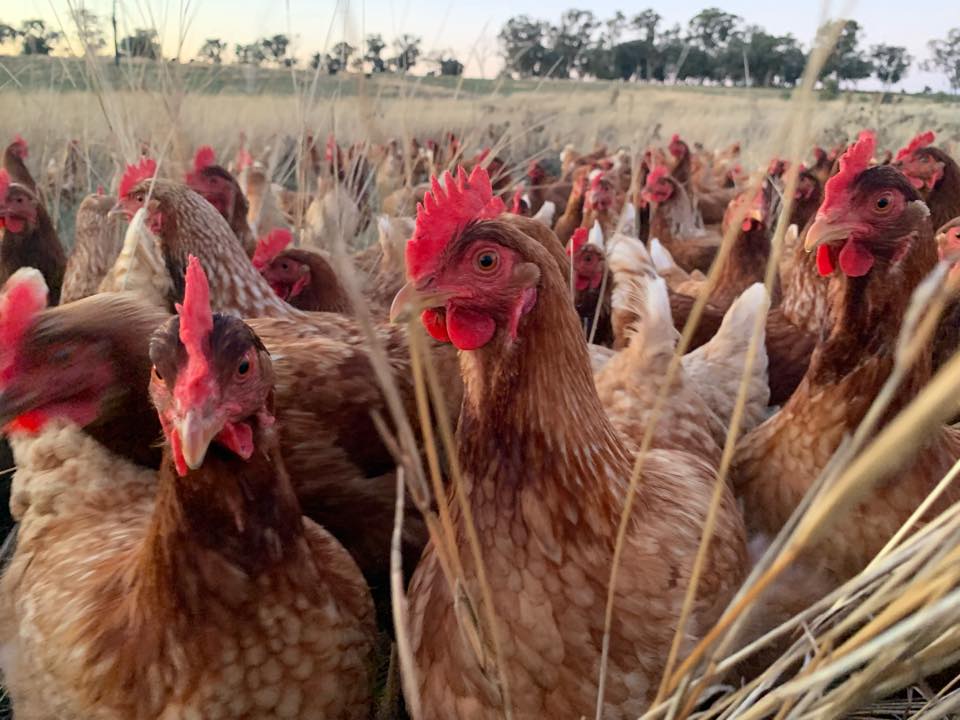
The chickens graze freely in the paddock, stocked at 100 hen per hectare.
 Working with Nature, Guyra
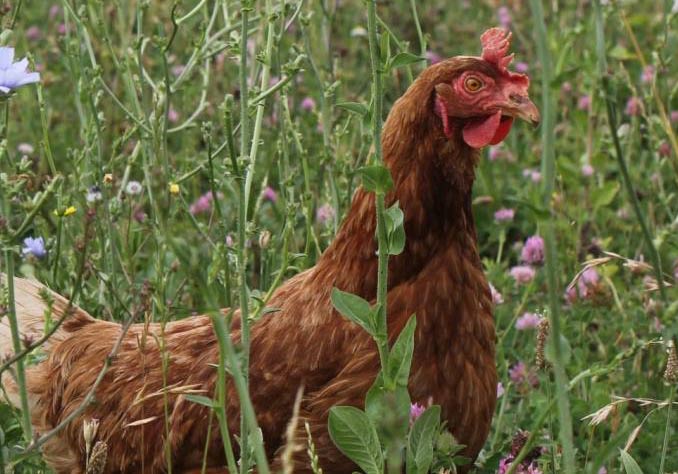
Derek and Fiona Smith’s hens enjoy 5-8 hectares of pastured paddocks at a time. They forage on green grass, herbs, fresh shoots and insects. They move the sheds daily, following the cattle. Maremma dogs protect them from predators.
 Wybalena Farm, Canowindra
Natalie Mihalic’s hens are moved onto fresh pasture daily; they free range from a mobile shelter where they lay and sleep. They forage for plants, seeds, bugs, insects, with supplementary feed of lucerne hay, grains and milk.
 Yamstick, Missabotti
With beaks and wings intact, the chickens at Joe and Dan Frazer’s farm live a full life. They forage amongst native pastures and waterways, protected by Maremma dogs. Housed in a mobile shed at night, they are moved twice weekly-weather permitting–to new pastures.